 Skip to content


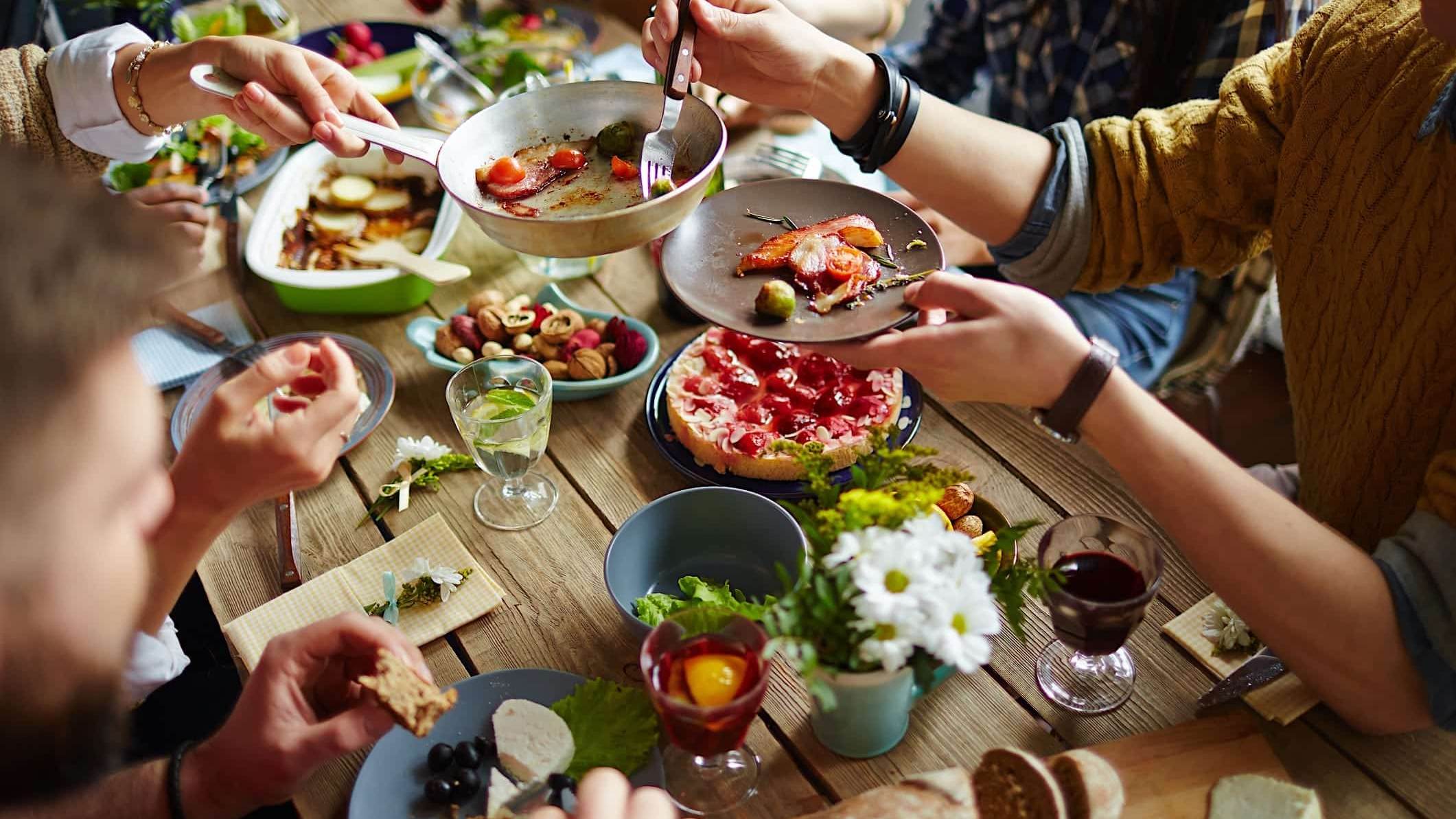
Leftovers are welcome, and we definitely don't want to waste or lose food due to improper storage. Whether these leftovers are carefully planned for lunches or unexpected, what's the best way to preserve the quality and freshness of these meals in the fridge? What criteria should you consider when choosing food storage containers?
Safe storage
Let's first consider the issue of food safety: The Quebec Ministry of Agriculture, Fisheries and Food recommends that all prepared foods be stored in airtight containers to ensure their freshness and integrity. Therefore, we should immediately eliminate aluminum containers with cardboard (or even plastic) lids like those in restaurants, as well as pots placed directly in the refrigerator; it is better to transfer the food to a more suitable container. An additional precaution, even with the most airtight containers: make sure to place raw foods at the lowest level in the refrigerator and ready-to-eat foods (cooked, or intended to be eaten raw, such as a salad) higher up. This way, even if there were any leaks, gravity would protect us from cross-contamination. Some tips for the safe storage of leftover prepared foods:
- Do not leave leftovers on the counter for more than 2 hours before storing them in the refrigerator. Ideally, refrigerate them as soon as the steam has stopped escaping.
- Use shallow containers (wide, flat ones are preferred) to promote rapid cooling of hot foods before refrigeration.
- Discard any plastic container that is damaged, scratched, stained, deformed, or has a bad odor.
Plastic or glass?
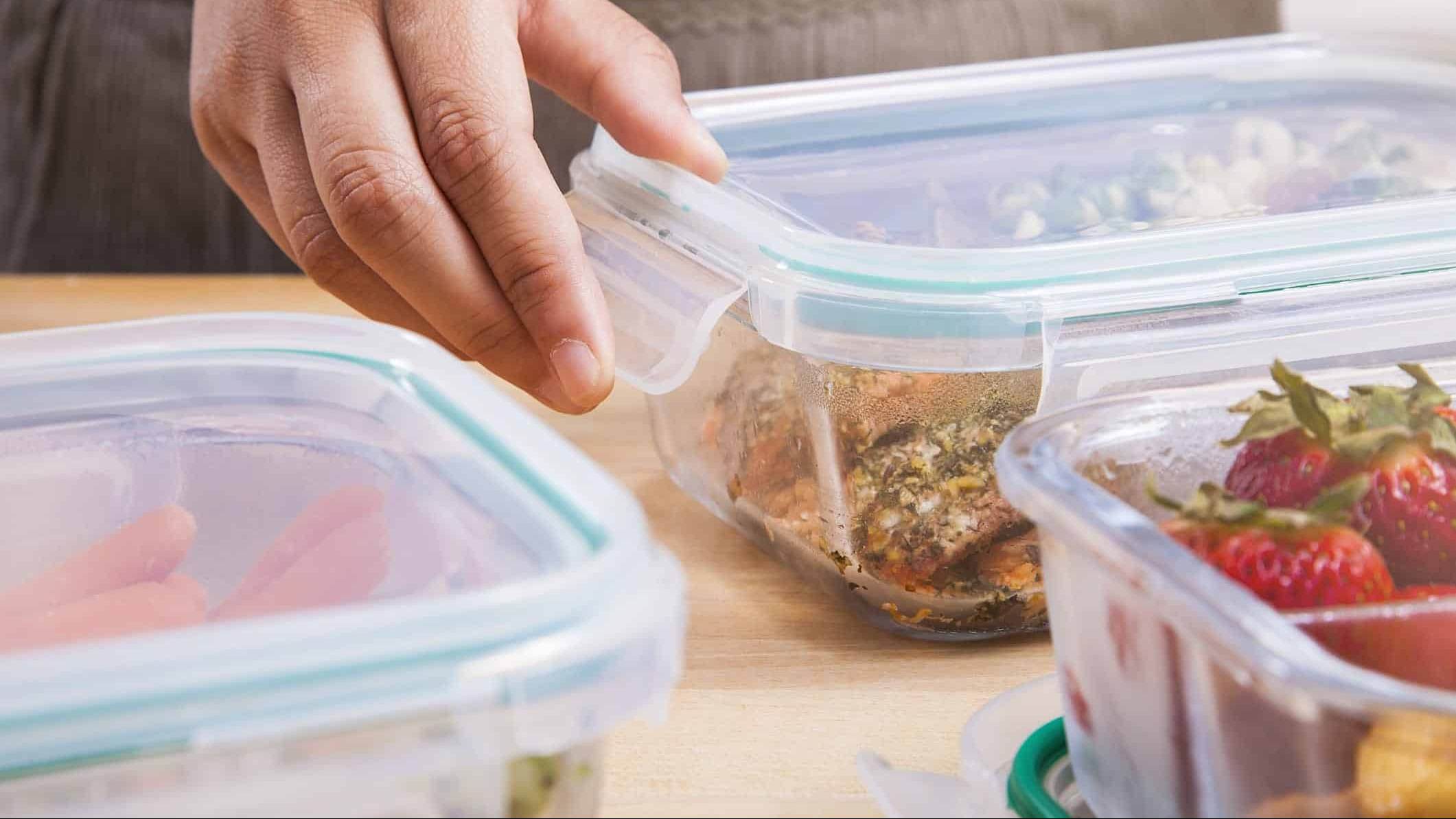
Since the Tupperware brand invaded North American kitchens in the mid-20th century, the number of companies offering useful plastic containers for storing leftovers has exploded. They are available in all sizes, from all brands, and with all sorts of features: opaque, transparent, round, square, flat, deep, with screw-on or locking lids.
Beware of bisphenol A
In recent years, however, precautions and warnings have emerged regarding the use of plastic for food storage. Bisphenol A (or BPA), a chemical additive used in transparent plastics (polycarbonates), has been the subject of much discussion due to studies linking it to health problems. Since 2008, it has been illegal to sell baby bottles containing this substance in Canada, and many manufacturers advertise their products as “BPA-free,” which is worth looking for if you want to limit your exposure to this substance.
Glass containers
More and more glass containers (Pyrex) are available on the market in formats that mimic those of plastic containers. Glass, not being porous like plastic, is more airtight. It also offers the advantage of being much more durable since it is resistant to stains, scratches, odors, and warping. Glass containers can be very useful in cases where you want to reheat leftovers since they can be put in the microwave as well as in a conventional oven (without their lids). However, they are less affordable and heavier than plastic, perhaps less suitable for certain uses such as transporting them in young children's lunch boxes.
Designed for microwave?
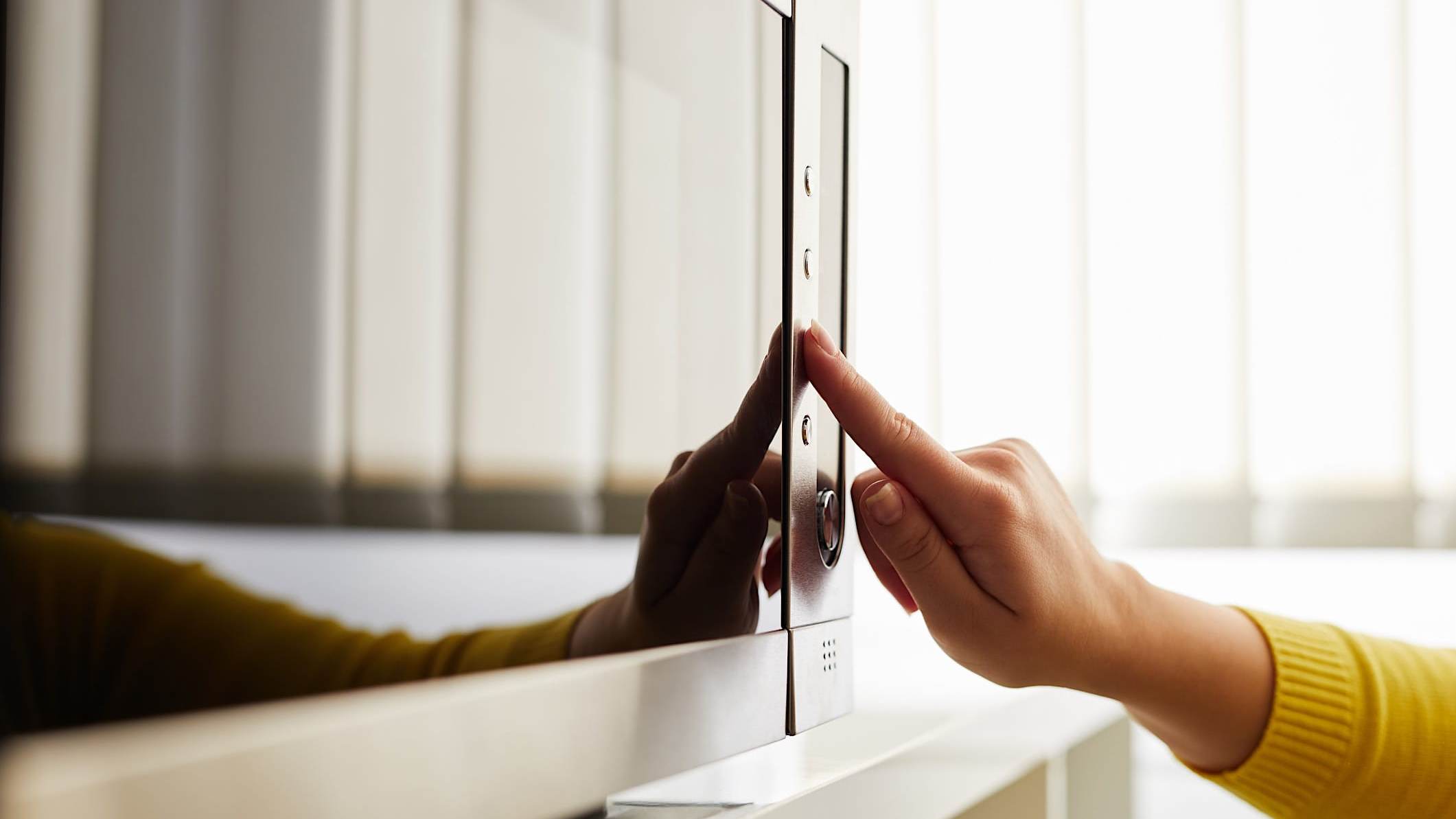
If you plan to reheat leftovers in the microwave, be sure to use a microwave-safe container (heat-resistant plastics are those with the numbers 2, 4, or 5 in the triangular ribbon symbol usually found underneath). Also, be aware that even with these plastics, heat accelerates the migration of chemical additives from the containers into the food; be careful not to overheat and be careful not to use containers that have already been damaged.
Waterproofing above all
Whether you choose glass or plastic containers, airtightness should always be the primary criterion. In independent evaluations reported by the Washington Post , silicone-sealed lids were found to be the most effective in this regard. However, even lids on disposable plastic containers provided an adequate seal in the refrigerator, albeit for a shorter period. It may be wise to choose a lid that is more difficult to remove (such as a screw-on type or one with a sealing gasket) if you plan to use the container to transport food outside the home; just because a container is airtight when it's in a stable position in the refrigerator doesn't mean it can't unexpectedly open in your lunchbox and spill half a liter of soup.
Reusing yogurt or margarine pots?
Out of environmental awareness or practicality, many people clean and reuse commercial food containers to store their leftovers. This can be a good idea, as long as you respect the use for which they were designed. Yogurt or margarine containers, designed to hold cold foods, should not be used to store hot foods; even freezing in these containers is not recommended. They are best reserved for raw vegetables, fruits, and salads. However, glass jars (Mason or other) can be safely reused for sauces and soups, whether for refrigeration or freezing.
References:
https://www.mapaq.gouv.qc.ca/fr/Consommation/Pages/Accueil.aspx
https://www.washingtonpost.com/news/voraciously/wp/2018/03/09/how-to-choose-the-right-container-for-storing-your-leftovers/
https://epicier.ca/blogue/5-idees-de-recettes-pour-utiliser-vos-restes-de-bbq/