 Skip to content


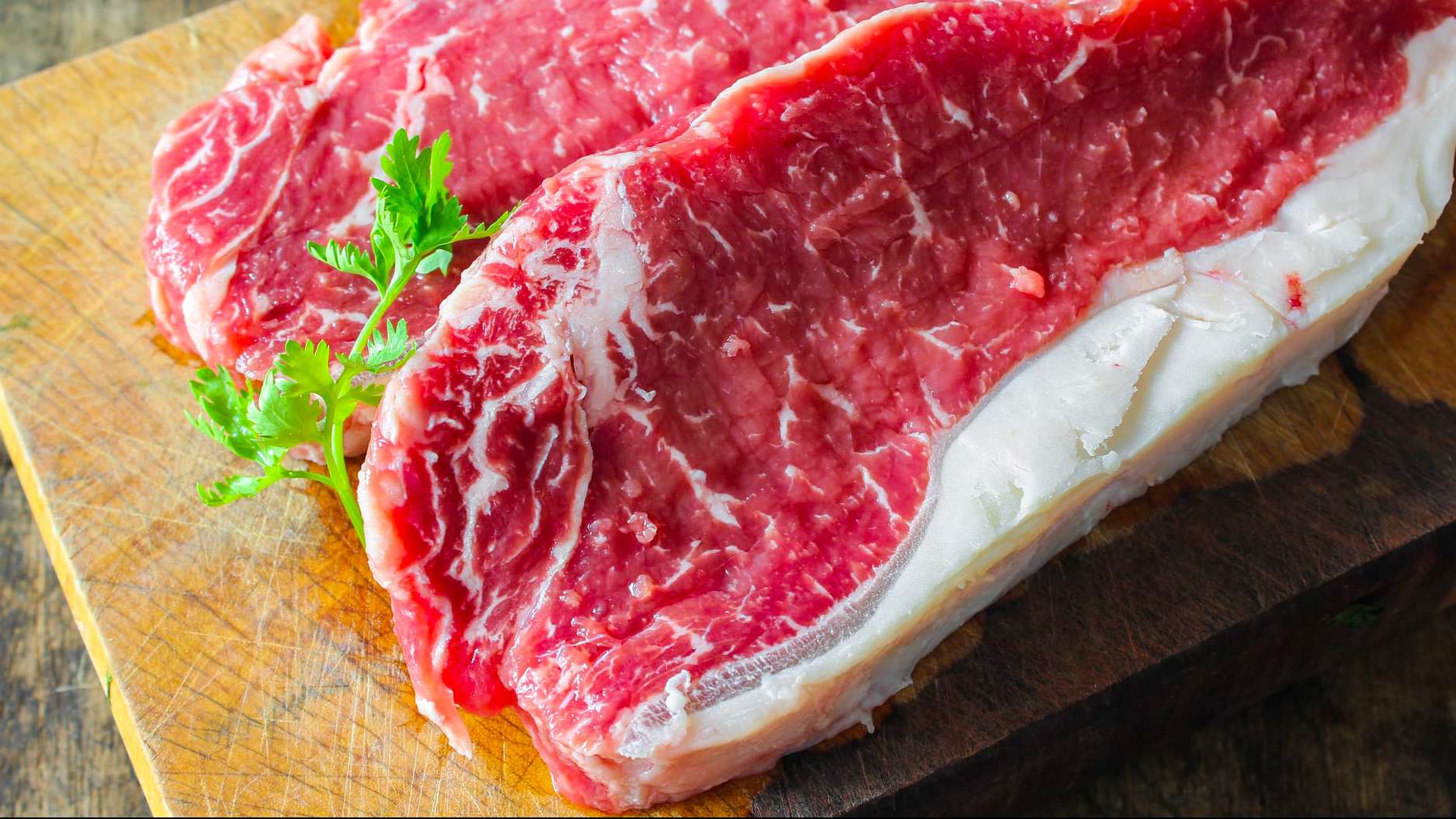
Do you sometimes mistakenly believe that your beef is too fatty when you notice white filaments inside the piece of meat? Like many, do you think that your piece is of lower quality? In reality, these small white lines are a sign of excellence! They are what we call marbling. Since it is important to properly recognize the quality of meat, here is an article that demystifies the different fats in beef!
Marbling vs. Fat
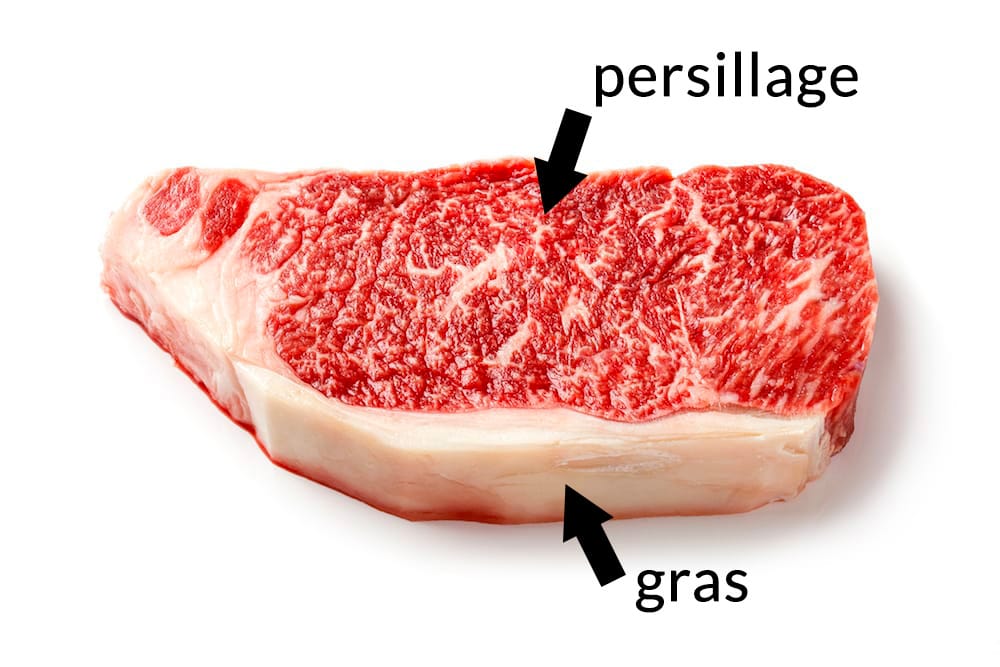
Marbling refers to the fat found in beef muscles and appears as white filaments. Contrary to popular belief, the more marbling a beef contains, as is the case in products l’épicier, the better the quality. Whereas what is commonly called fat is rather the membrane located around the meat. If you are careful about the amount of animal fat you consume, then it is advisable to remove this membrane before eating.
Meat classification
It's important to know that not all cuts of beef contain the same amount of marbling. This depends, in part, on the farming conditions. These factors include:
- Animal genetics
- The age of the animal
- Feeding the beef
- The animal's activity rate.
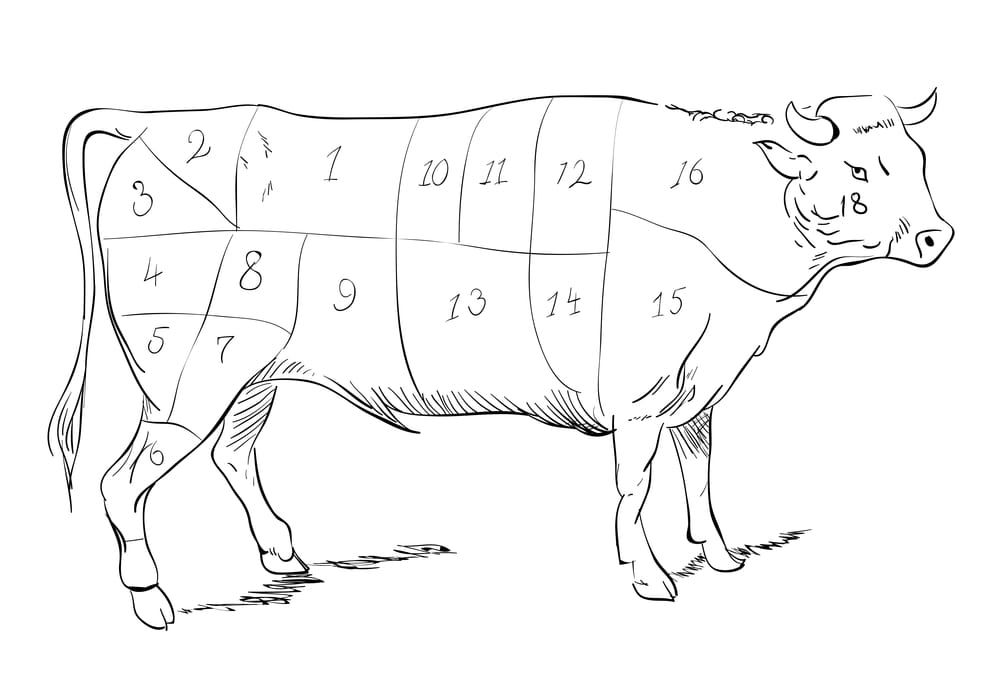
But the amount of marbling is also influenced by the cut of meat. Some cuts naturally have more fat in the muscle, such as short ribs, ribeye, ribeye, and sirloin. Choose your cuts according to the desired marbling. Conversely, tenderloin is a cut of beef that contains little or no marbling.
 You've probably heard of beef grading: A, AA, AAA, prime. The latter being the one considered the highest quality. It's the amount of marbling and the aging of the meat that influence the meat's category. The more marbling and the longer the meat is aged, the better the quality. So, what we tend to mistakenly consider "bad fat" in beef is actually what makes it excellent!
The benefits of marbling
That said, why is marbling such a quality indicator? In fact, it's this fat that makes a piece of beef much tastier, more tender, and juicy. When cooked, this fat melts and lubricates the muscle fibers of the beef, increasing its tenderness. In addition, it increases the juices and fats present and gives the meat flavor. So, the more marbled your meat is, the tastier it will be! But it also depends on how the meat is handled and cooked.
Handling and cooking marbled meat
As you can see, marbling is an important factor in taste and texture. But to fully enjoy its quality and marbling, it's important to handle the meat carefully and cook it thoroughly.
First, be sure to respect the cold chain, that is, keep your beef frozen until you want to eat it. This will also prevent the growth of bacteria. To do this, as soon as you receive your order l’épicier, place your frozen products in the freezer to prevent them from starting to thaw. Since our delivery trucks are refrigerated and we take care throughout the entire process, thawing does not begin until they arrive at your home.
When you're ready to cook the beef, you can defrost it in two different ways. You can either leave it in the refrigerator for a few hours, or place it in a bowl in the sink and run cold water over it. This latter technique ensures much faster defrosting. See our article on defrosting techniques for more information on this topic.
Once thawed, it is recommended to first let the meat rest a little at room temperature before cooking it, to avoid thermal shock that could occur. This thermal shock could cause the muscle fibers to contract and the meat to toughen, which would eliminate all the desired tenderness. Dry your piece of meat well with paper towels to remove as much moisture as possible.
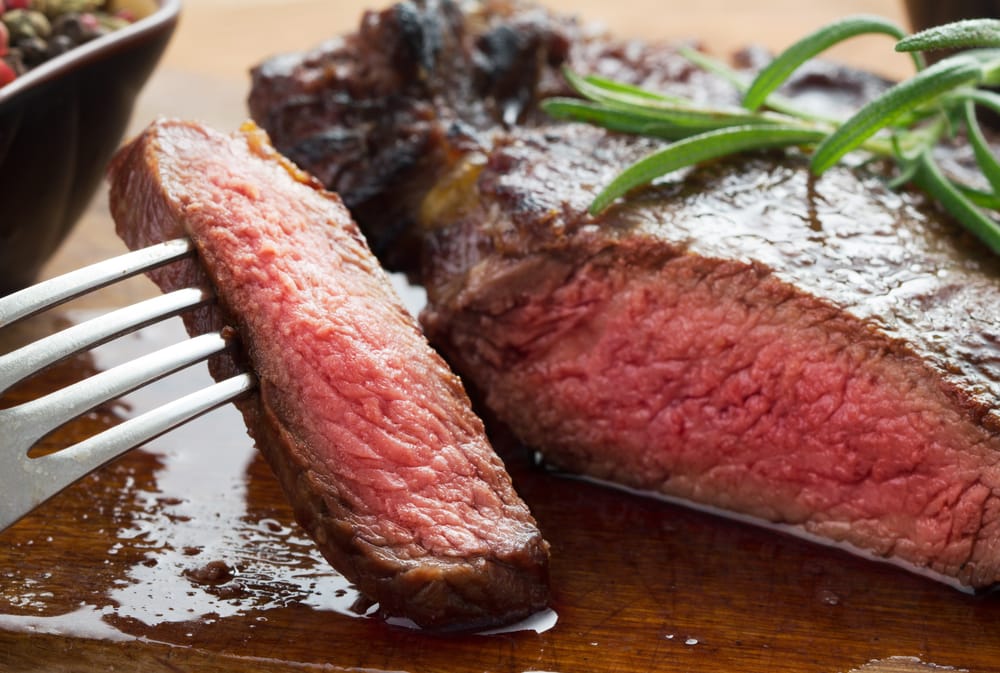
When cooking, make sure to sear your meat well first to form a crust around the meat. This crust will help seal in the flavorful juices and flavors. And most importantly, don't overcook it, or it will dry out!
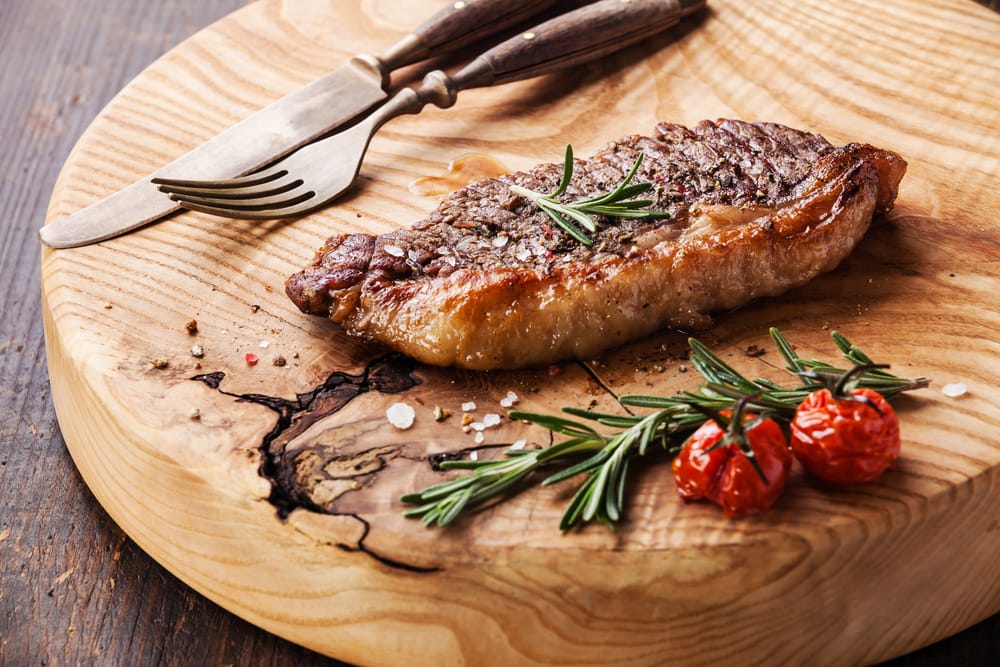
Finally, it is recommended to let the beef rest for a few minutes before cutting. To do this, place your piece on a baking sheet topped with a rack. It is important to allow air to circulate around the meat. This technique allows its muscle fibers to return to their original shape by reabsorbing liquids. This way, the juices and flavors will not leak out when cutting, and you will taste all the flavor of AAA meats. l’épicier.
We have a full article that explains why meat needs to rest after cooking.
In short…
There are different types of beef. It's important to understand what makes a food good quality and what doesn't so you can be aware of what you're eating. Now you'll be better able to recognize quality beef!
The épicier knows how important it is to offer the best. That's why we offer AAA beef from Western Canada. Our beef is known as one of the most tender and flavorful meats on the market, and not without reason. Our steaks, with typical AAA marbling, are carefully aged for 18 to 21 days, making them even more tender and worthy of the highest honors!
sources:
ici.radio-canada.ca/actualite/lepicerie/docArchives/2004/03/25/enquete.shtml
www.lesoleil.com/archives/le-boeuf-et-ses-secrets-32608d264491df87d616d173c7325c3e