 Skip to content



We're hearing more and more about digestive health, especially gut health, and the importance of this organ to our overall health. From macrobiota to probiotics, prebiotics, enzymes, and microbes, the gut is a complex control center that impacts multiple areas of our body and mind. Let's shed light on the connections between our gut and our well-being, and discover how simple habits can improve our digestive health.
Gut health is central to our overall well-being, influencing everything from our immune system to our mood. This complex organ, home to trillions of bacteria, plays a crucial role in several aspects of our daily health. A healthy gut can be identified by three main signs: efficient digestion, the absence of gastrointestinal upset, and a healthy balance of the gut microbiota.
It's fascinating to know that 70% of our immune cells are located in our gut. This impressive concentration explains why good gut health can help us be less vulnerable to disease, reduce the risk of allergies, and better resist infections. Furthermore, research shows that a healthy gut positively influences the function of several organs, including the heart, skin, and even the brain.
The microbiota: our invisible ally
What was once called "intestinal flora" is now called microbiota. As unique as our fingerprints, it is a collection of microorganisms that populate our digestive tract and are constantly renewed throughout our lives. These 100 billion bacteria form a veritable army that fights microbes and other harmful agents.
The microbiota doesn't just protect us; it actively contributes to our health in several ways:
- It helps in digestion and absorption of nutrients
- It supports our immune system
- It influences our hormones and mood
- It contributes to the production of essential vitamins
- It helps control our cholesterol levels
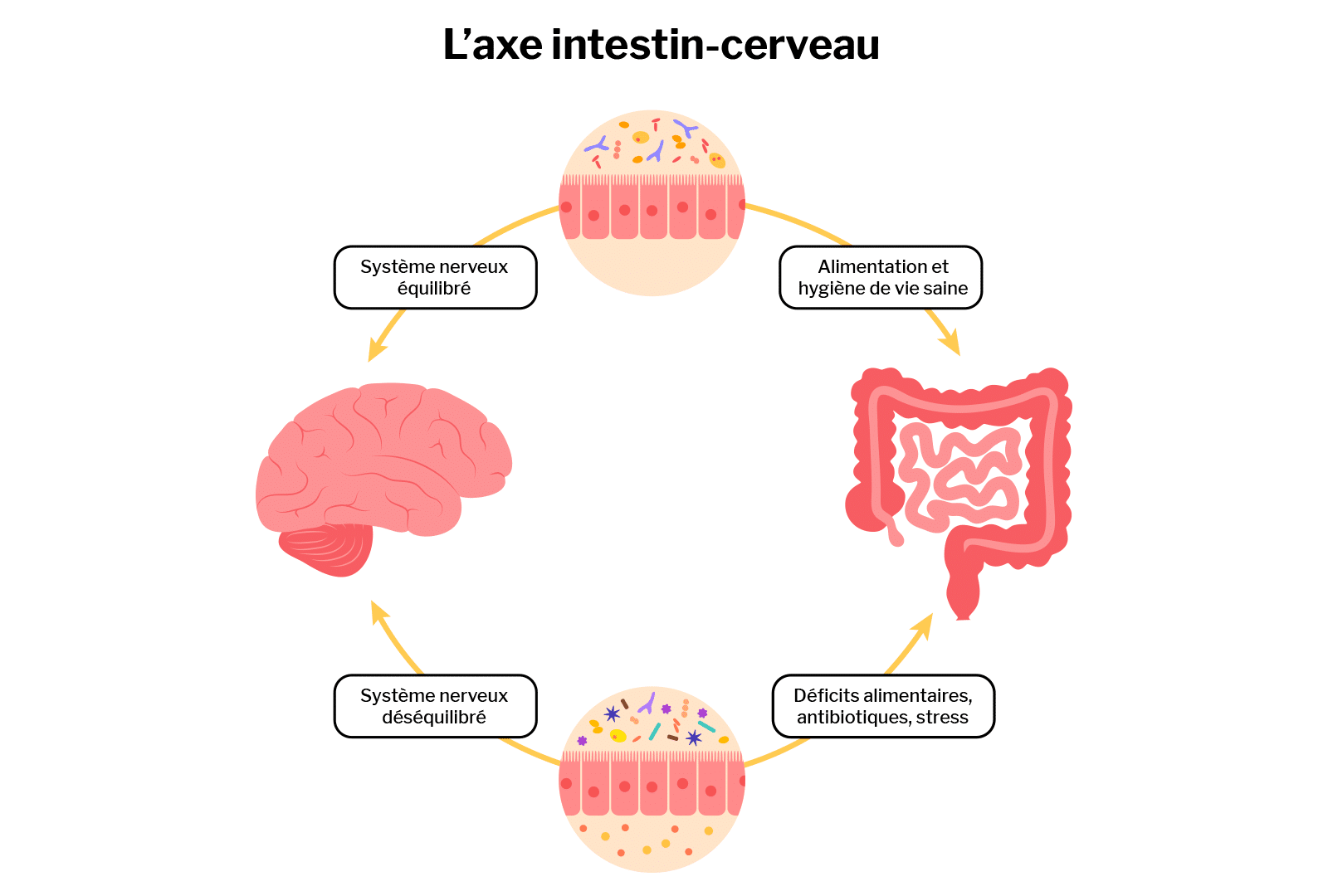
Our microbiota is sensitive to its environment and adapts quickly to changes in our lifestyle. Diet is the factor that most influences it, particularly our long-term eating habits.
Diet for a Healthy Gut
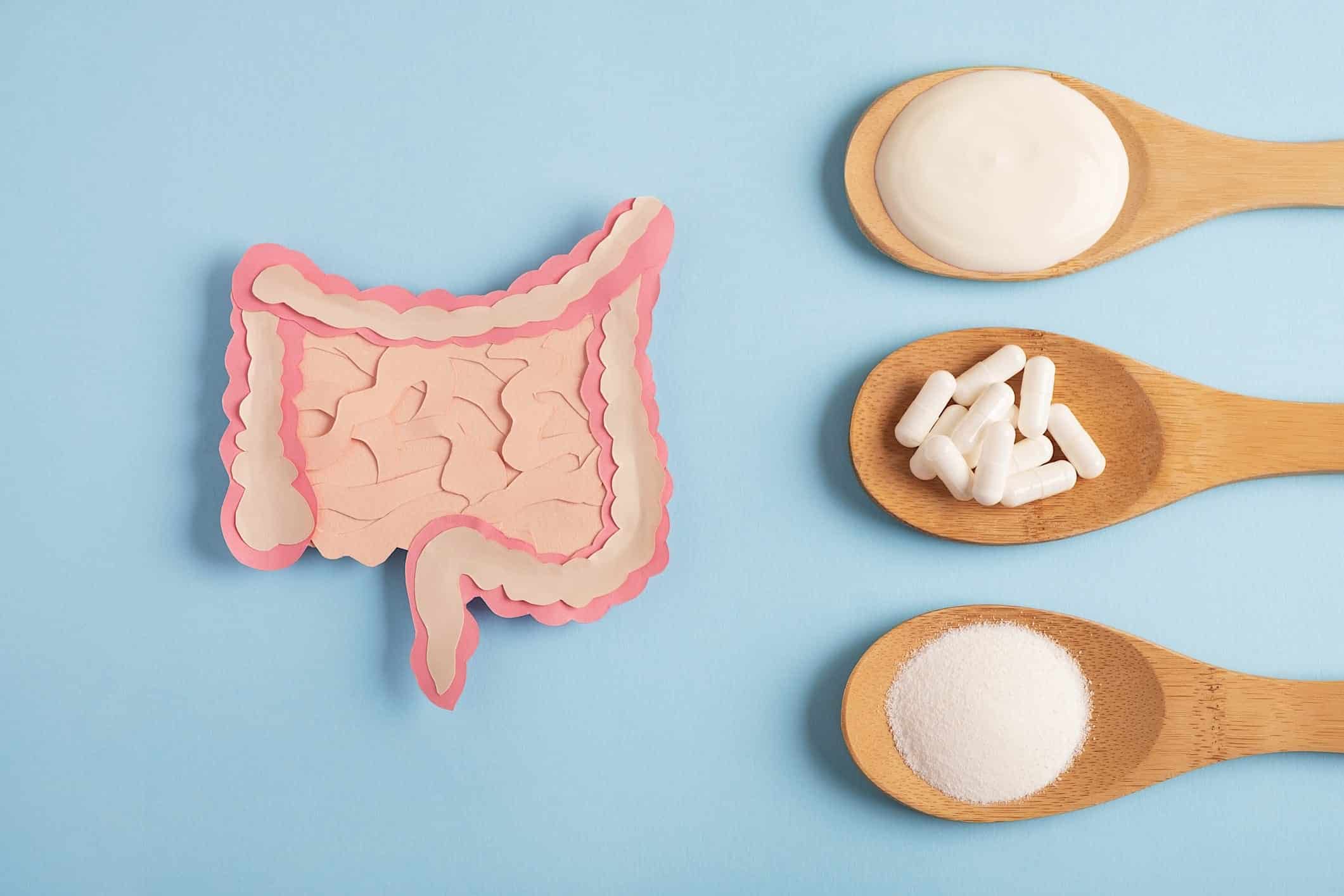
To maintain a balanced gut microbiota, it's essential to understand the role of probiotics and prebiotics. Probiotics are live microorganisms that, once consumed, perform specific functions in our intestines. They are found primarily in fermented foods such as yogurt, kefir, and sauerkraut. Prebiotics, on the other hand, are fibers that nourish our beneficial bacteria.
Here is a short list of the best foods to support your microbiome:
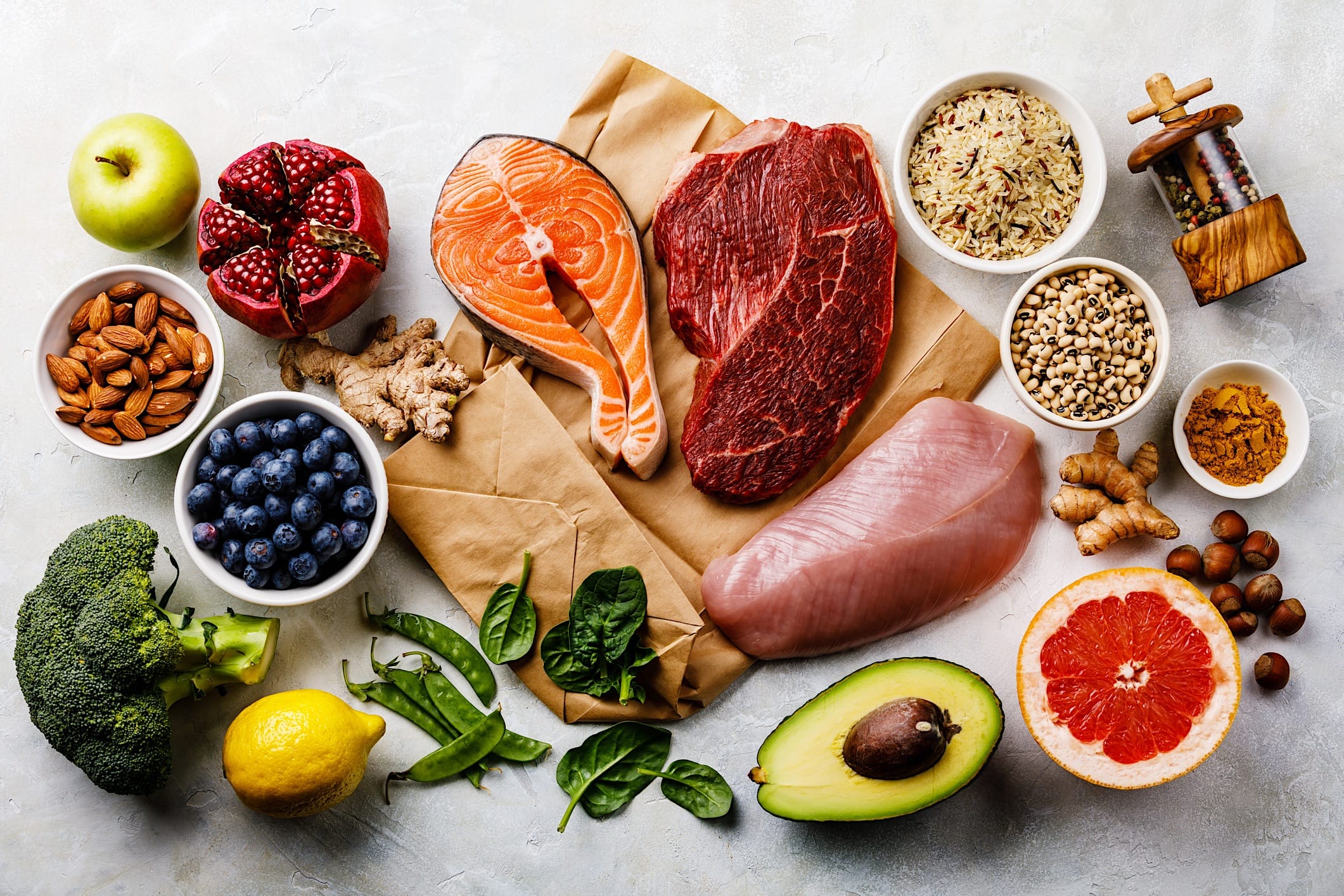
- Colorful vegetables : Jerusalem artichokes, garlic, onions, asparagus, leeks, kale, broccoli, carrots, sweet potatoes
- Fruits rich in antioxidants : apples, grapefruits, pomegranates, berries (strawberries, blueberries, raspberries), bananas
- Whole grains : oats, quinoa, brown rice, buckwheat, millet
- High-fiber legumes : red beans, chickpeas, lentils, edamame, black beans
- Nuts and seeds : chia seeds, ground flax, walnuts, almonds, pistachios
- Anti-inflammatory foods : turmeric, ginger, green tea, dark cocoa (70% and more)
Animal proteins also play a role in gut and immune health. Beef provides easily absorbed zinc and iron, as well as vitamin B12, all essential for our immune system. Chicken and fish are also excellent choices: oily fish like salmon, trout, and mackerel provide omega-3 fatty acids that are beneficial for the gut microbiota.
A varied diet is key: the more different foods we eat, the more diverse and resilient our microbiota will be!
Lifestyle and Gut Health
Gut health isn't just about our diet. Sleep plays a crucial role: persistent sleep deprivation can damage our microbiome. Ideally, aim for seven to eight hours of sleep per night to maintain optimal balance.
Chronic stress can also disrupt the balance of our microbiota by decreasing the number of good bacteria. Regular physical activity is beneficial not only for cardiovascular health, but also for maintaining a healthy microbiome. Yoga, meditation, and other relaxation activities help counteract the effect of stress on gut health.
Exposure to natural light can be difficult to achieve on a daily basis, especially in winter, but it stimulates cells essential to our immune system. Getting into the habit of spending time outdoors every day is ideal, and investing in a light therapy lamp is worth considering for those whose mood is affected by a lack of light.
Warning signs and solutions
Some signs that may indicate an imbalance in gut health include:
- Digestive discomfort: bloating, flatulence, diarrhea or constipation
- Food intolerances that develop suddenly
- Unexplained weight variations
- Persistent fatigue and sleep disturbances
If you notice these symptoms, it's important to examine your eating habits and lifestyle. Often, simple adjustments can make a big difference! You can consult a doctor or even your pharmacist: they will be able to advise you on foods and probiotic supplements to incorporate into your diet that will have a positive effect on your symptoms.
Taking care of our gut health doesn't have to be complicated. By eating a varied diet, staying active, and paying attention to our sleep, we give our microbiota the tools it needs to stay healthy. Every little change counts and contributes to our overall well-being!
For more health tips, check out our article Good nutrition for a healthy heart.
sources:
https://cdhf.ca/fr/comment-lalimentation-peut-elle-favoriser-la-sante-intestinale-et-le-systeme-immunitaire/
https://helenebaribeau.com/comment-soutenir-son-systeme-immunitaire-par-la-nutrition/
https://www.gutmicrobiotaforhealth.com/fr/quest-ce-que-la-sante-intestinale-qui-revient-si-souvent-dans-les-conversations-cinq-dieteticiennes-en-donnent-une-definition-et-expliquent-pourquoi-il-est-important-den-prendre-soin/
https://cdhf.ca/fr/les-probiotiques-compares-aux-prebiotiques/
https://www.coupdepouce.com/sante-et-vitalite/sante/article/quoi-faire-pour-avoir-un-intestin-heureux
https://cdhf.ca/fr/conseils-pour-la-sante-des-intestins/
https://www.coeuretavc.ca/articles/lien-entre-le-cerveau-et-lintestin-au-coeur-de-la-sante-globale