 Skip to content



Do you have a cast iron skillet and are unsure how to use and clean it properly? You've come to the right place! This guide aims to demystify the process of maintaining your cast iron skillet, allowing you to preserve its quality and enjoy its benefits for many years to come.
The cast iron skillet is an essential tool in the cooking arsenal of many chefs and home cooks. It's a skillet known for its strength and versatility thanks to cast iron, a carbon-rich iron alloy. However, this material is susceptible to rust, making it essential to maintain it properly. This maintenance also helps build and maintain the skillet's natural non-stick surface.
The maintenance routine, which may seem like a chore, is an investment in the quality and durability of the pan. The effort is well worth it, as your food will be cooked to a higher level. Indeed, thanks to its greater weight compared to standard pans, this pan has excellent heat retention and distribution, resulting in more efficient and even cooking.

What do you cook in a cast iron skillet?
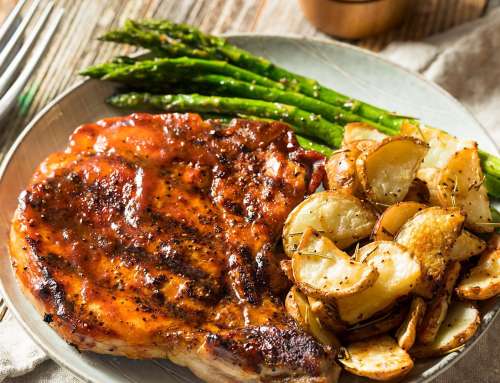
It can be used for frying, grilling, braising, baking, BBQing or campfire cooking. It is THE ultimate pan for cooking your delicious steaks and other meats. l’épicier on the stovetop or outdoors. The caramelized crust that forms will be even across the entire surface of your piece of meat, and the flesh will cook more evenly.
Cast iron skillets are ideal for a wide variety of dishes, including breaded cutlets, fried chicken, grilled vegetables, pizza, cornbread, paella, cake, French toast, giant cookies, fish and seafood, and more. Do you enjoy Asian stir-fries? A cast iron wok works wonders, as this type of cooking requires a constant, high temperature.
An important detail to know before starting your recipes: cast iron is not suitable for all types of foods, especially highly acidic ones, which can erode the seasoning and alter the taste of the food. In addition, very delicate ingredients like eggs and skinless fish can stick despite the non-stick coating created when the pan is seasoned.

What does it mean to "season" a cast iron skillet?
These days, cast iron skillets sold on the market are pre-seasoned, so they're already non-stick. If you inherited a skillet from your mother or grandmother, they probably went through this process themselves at least a few times before using it.
Seasoning, or seasoning, involves coating all surfaces of the pan with a thin layer of oil and baking it at a high temperature to create a non-stick, rust-proof layer. Here's the complete process:
- Preheat your oven to 450°F (230°C), placing one rack in the center and one rack underneath.
- Make sure the pan is clean and completely dry.
- Apply a very thin layer of cooking oil to the entire interior and exterior of the pan using a paper towel. The oil should have a high smoking point, such as vegetable, canola, sunflower, grapeseed, or flaxseed oil. Olive oil should be avoided at all costs!
- Remove excess oil with a clean paper towel.
- Place a baking sheet lined with aluminum foil on the bottom rack to catch any oil that may drip.
- Place the cast iron skillet upside down on the center rack and leave it in the oven for 1 hour 30 minutes.
- Let the pan cool in the switched-off oven.
This complete seasoning process should be done a few times a year, depending on your usage. If you notice your food sticking, or you simply want to solidify that non-stick layer, do a complete seasoning.
To give your pan a little extra treatment, you can do a mini version of this process every time you use it to prevent rust:
- Make sure the pan is clean and completely dry.
- Place it on the stove over high heat until it begins to smoke.
- Remove from heat and rub the inside with a lightly oiled paper towel.
- Return the pan to the heat until smoking hot.
- Remove the pan and wipe it with a clean paper towel to remove excess oil. And there you have it!
The more you use your pan, the better the non-stick surface will be in the long run!

Cast Iron Skillet Cleaning Guide
There are several ways to clean your cast iron skillet, depending on the level of cooking residue. Follow these 5 golden rules to keep all your cast iron cookware in excellent condition:
- Never leave a cast iron skillet soaking in water.
- You should never put your cast iron pans in the dishwasher.
- Do not use an abrasive brush to scrub cast iron; no steel wool, wire brushes, or SOS-style pads.
- Always dry cast iron completely after washing to prevent rust. Once clean, dry the pan on the stove for a few minutes, then coat the surface with a very thin layer of oil.
For basic cleaning after each use, let the pan cool slightly and clean it while it is still warm but manageable.
If the pan is only covered in an oily layer, you can wipe it with dry paper towels and store it as is. This is the old-fashioned technique, which ensures that the non-stick patina lasts perfectly. This natural, continuous seasoning is also said to add flavor to the food.
If food residue is stuck to the bottom, use warm water to remove it using a nylon or natural fiber brush, a non-abrasive sponge, or a wooden or plastic scraper.
If stubborn residue is stuck to the surface, you can:
- Boil water in the pan while gently scraping the bottom with a wooden spoon.
- Sprinkle a layer of coarse salt and rub gently with a sponge to loosen them.
- Use a stainless steel chainmail brush designed for cleaning cast iron.
With or without soap?
Many people believe that you should never clean a cast iron skillet with soap, but this isn't entirely true. Today's dish soaps are gentle enough that they won't harm the protective layer that forms when the cast iron skillet is seasoned.
So, if the thought of never washing a pan with soap makes you uncomfortable, rest easy and use a small amount. Just be sure to rinse your pan thoroughly, as cast iron is a porous material.

By following the simple and effective cleaning and maintenance steps in this guide, your cast iron skillet will become a valuable cooking tool in your arsenal. With a little care, it can last for generations, improving with use and helping to enrich the flavors of your dishes. Feel free to experiment and discover the many benefits of cooking with cast iron, a traditional tool that has been tried and tested since the dawn of time.
The cast iron pan is one of the preferred tools for cooking this delicacy, but are you familiar with other recommended methods for cooking bacon?
Cast iron is also very useful for cooking fish and seafood on the BBQ!
sources:
https://fr.wikipedia.org/wiki/Culottage#:~:text=5%20Sources-,G%C3%A9n%C3%A9ralit%C3%A9s,eau%2C%20m%C3%AAme%20en%20petites%20quantit%C3%A9s.
https://www.lecreuset.ca/fr_CA/blogue/The+Complete+Guide+to+the+Iron+Handle+Skillet.html
https://www.lecreuset.ca/fr_CA/blogue/8+Cast+Iron+Cooking+Cookware+Tips.html