 Skip to content


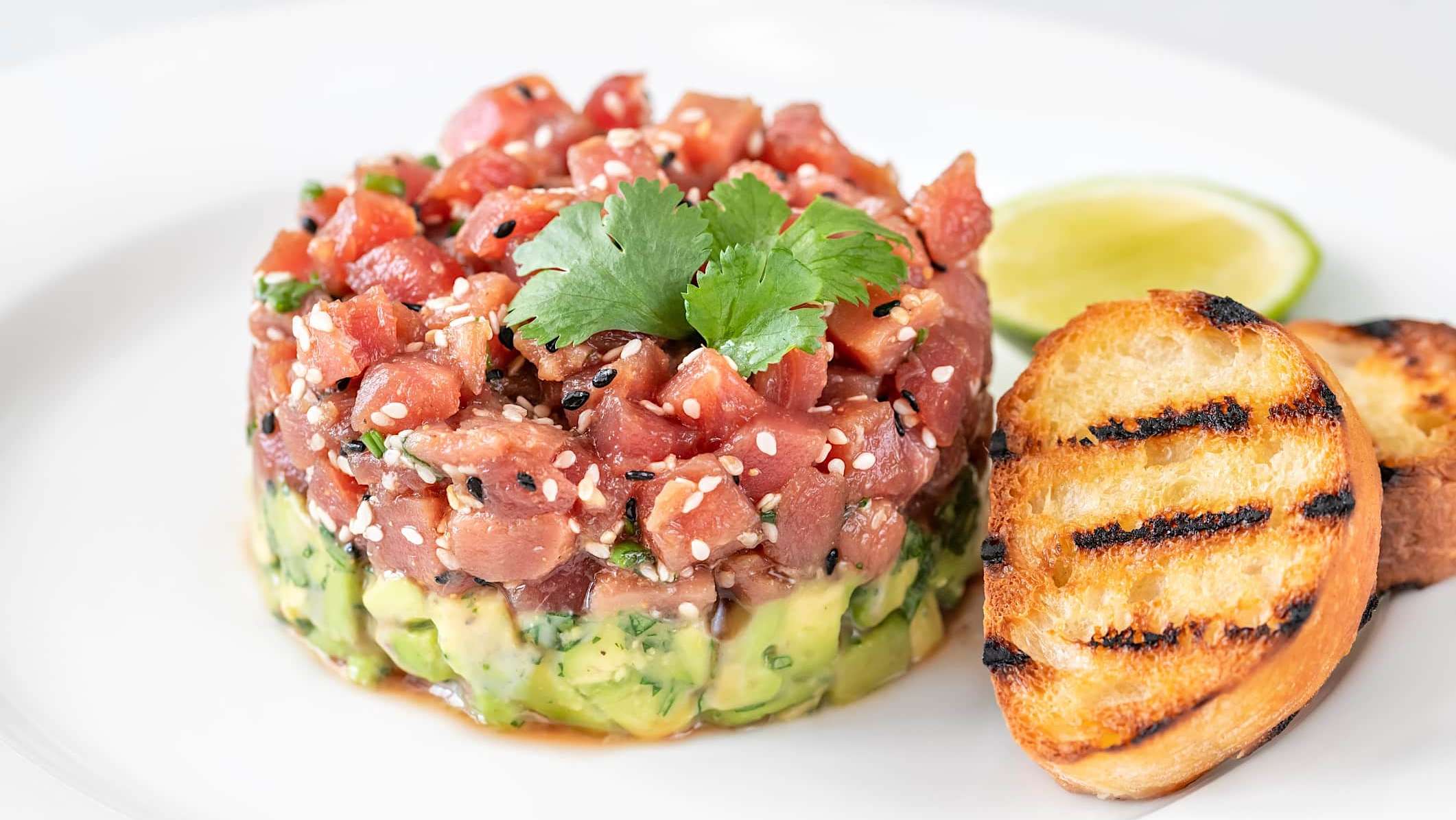
Making a successful tartare at home is within everyone's reach: you don't have to wait for your next restaurant outing to enjoy this fresh and delicate dish. With the right ingredients, a sharp knife, and a few simple rules, it's a surprisingly easy recipe to master at home. Whether you prefer salmon or tuna tartare, or are a fan of classic beef tartare, this guide will walk you through it step by step, from preparation to serving.
The basics to know before embarking on the preparation of a tartare
Freshness… and the advantages of frozen food
Tartare is often associated with ultra-fresh ingredients. However, it's difficult to know the true freshness of products sold in grocery stores. A large majority of fish and seafood are thawed and put on sale for consumption within 24-48 hours. As for "fresh" meats, they should be avoided, as it's virtually impossible to know their origin and how long they've been on the display.
The products are handled, packaged, transported, sold, brought home, and refrigerated. There are numerous opportunities to break the cold chain that is strictly recommended for eating raw protein, and the risk of food poisoning is very real.
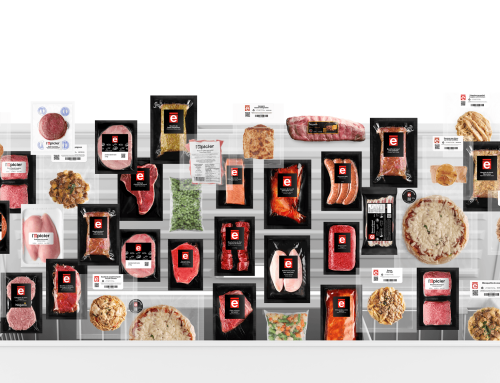
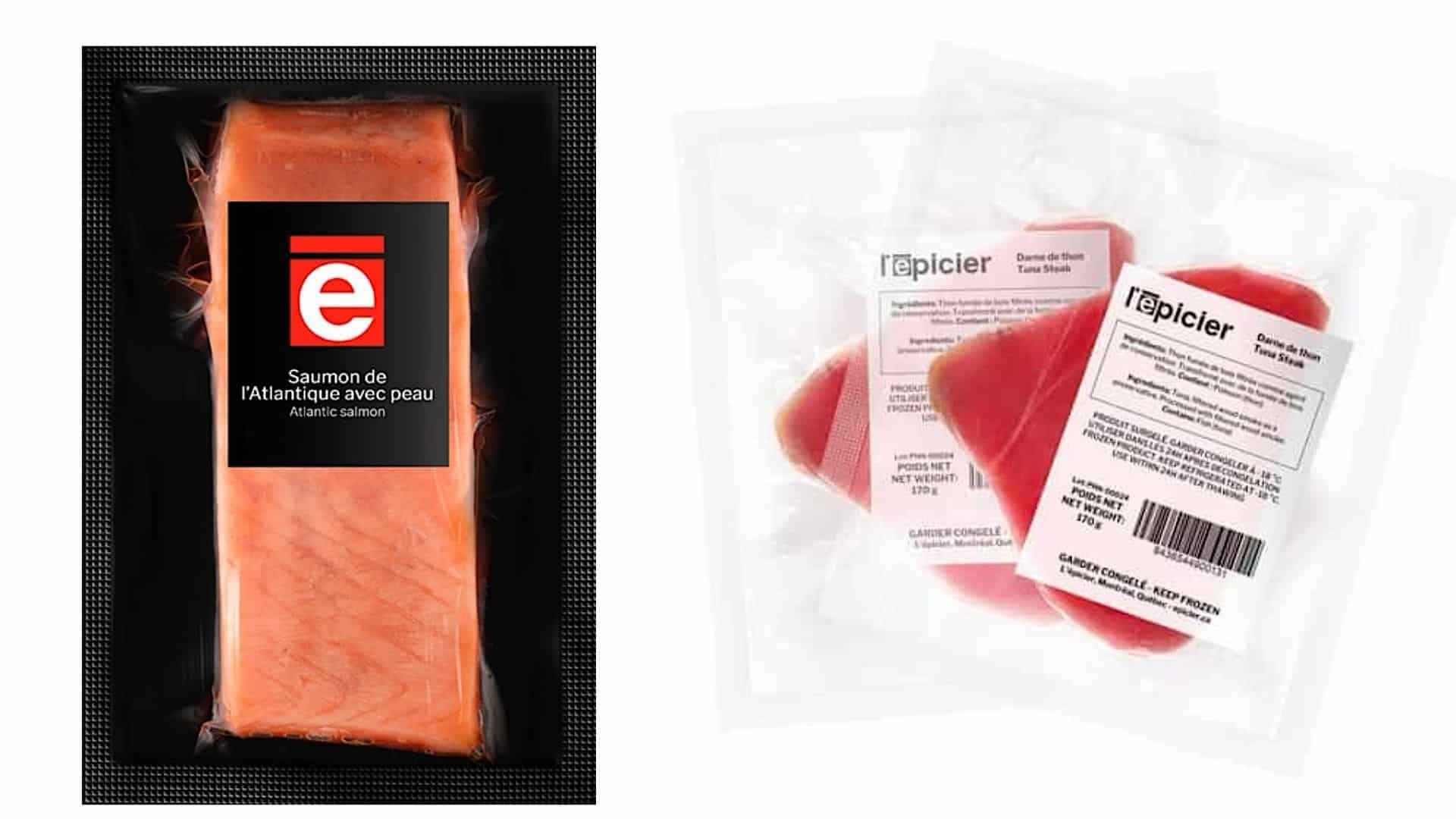
That is why high-quality frozen fish and meat, vacuum-packed l’épicier offer several advantages:
The fish and seafood l’épicier They are frozen immediately after being caught, directly on the boat. Freezing is the safest method to inactivate and eliminate the risks due to the possible presence of parasites in some fish, and freshness is guaranteed every time.
The same applies to our meat beef that is quickly frozen after cutting, which preserves texture and flavor. Traceability of meat l’épicier is rigorously required of our suppliers who process meats according to the highest standards in Canada.
For a tartare, it's essential to choose high-quality, well-packaged products and to defrost them quickly. To do this, place the vacuum-sealed product in a bowl of cold water in the sink, with a continuous stream of cold tap water running (or change the water every 10 minutes). Defrosting in the refrigerator is possible, but remember the golden rule for preparing tartare: defrost it and eat it immediately!
The essential tools for preparing a tartare
- A very sharp knife that slices the protein rather than tearing it. Do not use your food processor for this task, which requires precision and care.
- A clean board, ideally reserved for raw foods.
- 2 glass or stainless steel bowls.
- Ice cubes.
- A large spoon or spatula for gently mixing.
The basic ingredients for a delicious tartare
The true measure of a good tartare lies in the harmony between a few well-chosen ingredients that balance the flavors. These ingredients, which enhance the natural flavor of the main protein without masking it, each have a specific gustatory function:
- Salty (salt, capers, soy sauce): the universal flavor enhancer.
- Acidity (pickles, capers, vinegar, lemon or lime juice): balances the fat with the protein, brings lightness and dynamism to the dish.
- gras (olive oil, egg yolk, mayonnaise, avocado): brings roundness and length on the palate.
- Spicy (onion, shallot, mustard, chili sauce): stimulates the taste buds and binds the flavors together.
- Umami (Worcestershire sauce, soy sauce): adds depth of flavor by enhancing the protein.
- Crisp (onions, apple, shoestring potatoes, fried onions): creates a contrast in texture.
- Herbaceous (parsley, chives, coriander, etc.): come and refresh the dish.
To learn how to master the balance of flavors, follow classic recipes (presented below!) and you may eventually be more creative in the composition of your tartares.
Preparation tips
- Half-fill a bowl with ice cubes and a little water. Place the bowl you will use to mix the ingredients inside the bowl to keep the protein at a safe temperature.
- Season your tartare gradually: you can always add more, but not take it away!
- Gently mix the tartare to maintain its light texture.
- Serve the tartare chilled, but not ice-cold.
Frequently asked questions about tartare
Can you prepare a steak tartare in advance?
It's best to prepare it at the last minute. If absolutely necessary, cut the ingredients in advance and assemble just before serving.
How long does steak tartare keep?
It should be consumed immediately, or within a few hours of preparation (the texture will be less delicate).
Can you freeze a steak tartare?
No
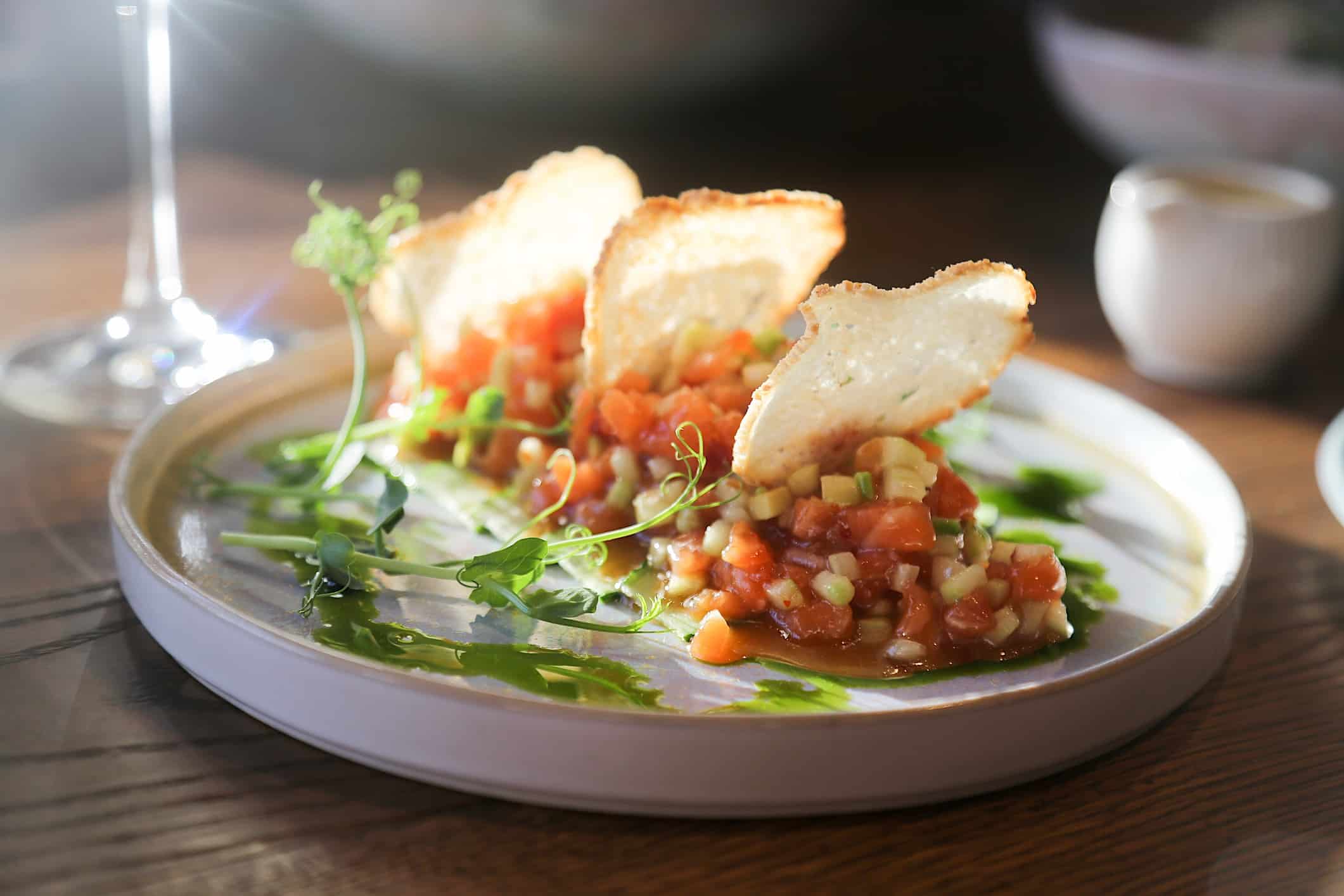
How to make a successful salmon or tuna tartare
The basics are similar for both fish, with some slight differences in taste and texture. Choose salmon for a richer flavor and a melt-in-your-mouth texture. Tuna tartare is firmer with a more delicate taste.
Recipe for salmon or tuna tartare with avocado
Ingredients (2 servings)
- 250 g of raw Atlantic salmon or sushi-grade tuna raw l’épicier
- 1 to 2 tsp soy sauce
- 1/4 tsp toasted sesame oil
- 1 to 2 teaspoons of Sriracha (to taste)
- 1 tsp lime juice
- 1/2 tsp lime zest
- 1 tsp toasted sesame seeds
- 1 green onion, finely chopped (white part + a little green)
- A few fresh coriander leaves, chopped (optional)
- Pepper
- 1 ripe but firm avocado
- 1 to 2 teaspoons of lime juice
- A pinch of salt
Prepare the fish
- Remove the skin and any darker parts of the flesh (brownish or blood red).
- Check that there are no edges.
- Cut into small, even cubes (approximately 5 mm).
- Place the dice one by one into the bowl, which is placed in a bowl of ice.
Prepare the avocado
- Cut the avocado into small cubes of a similar size to the fish.
- Immediately sprinkle with lime juice.
- Add a little salt and a few drops of sesame oil if desired.
- Mix gently
Season the fish
- Add the green onion, sesame oil, Sriracha, lime zest and sesame seeds.
- Mix gently with a spoon.
- Add the lemon juice, salt and pepper to taste.
- Add the chives, taste and adjust the seasonings, if necessary.
You can layer the tartare, with the avocado underneath, in a round mold, a small elegant glass bowl, a plate, or serve it as appetizers on a soft crouton.
How to make a successful beef tartare
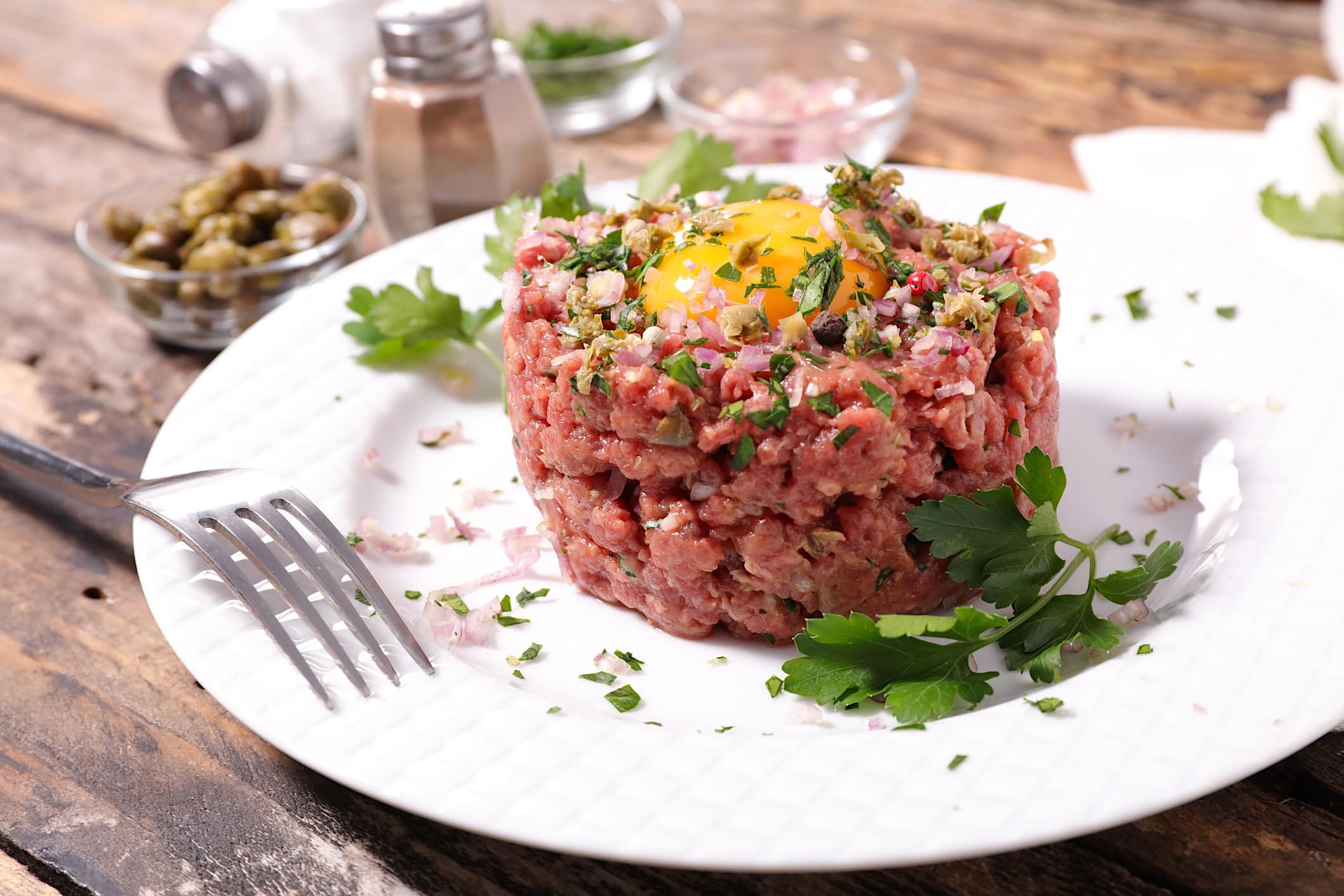
Beef tartare requires the same precision, but with a more structured seasoning. The most popular cuts for beef tartare are the filet mignon (the most tender), the striploin ou le baseball cut top sirloin steak l’épicierIf you'd like a bit more bite, try a tartare of flank steak l’épicier! These cuts are neither not too oily, nor too "fizzy": the texture must remain clean and melting.
Classic Beef Tartare Recipe
Ingredients (2 servings):
- 250g of beef l’épicier raw (fillet, sirloin, top of baseball cut sirloin, flank steak)
- 1/2 small French shallot, very finely chopped
- 2 tsp chopped capers
- 2 tsp. of small, finely chopped sour gherkins
- 2 tsp chopped flat-leaf parsley
- 1/2 to 1 tsp Dijon mustard
- 1 tsp Worcestershire sauce
- A few drops of Tabasco
- 2 tsp neutral oil
- Salt and pepper
- A drizzle of olive oil
- 1 chicken or quail egg yolk (optional)
Cut the beef into small, even cubes (about 5 mm) and place them as you go into the bowl placed in a bowl of ice.
Add the shallot, capers, gherkins, mustard, Worcestershire sauce, Tabasco, oil, and parsley. Season lightly with salt and pepper, mix gently, taste, and adjust the seasonings if necessary.
Arrange the tartare in a round mold or form a small, tightly packed mound and flatten the top. Add the whole egg yolk on top and serve immediately.
What should I serve with a side dish for a tartare?
Tartares are often served with toasted but still soft baguette croutons. With an open mind, you can certainly find other easy-to-prepare side dishes using ingredients you already have at home.
- With thin, crispy fries
- In bite-sized pieces on wafer fries
- Dipping with fairly thick chips
- With tortilla chips
- With crackers
- In romaine lettuce leaves to assemble at the table
- With a green salad
- Etc.
Avoid heavy or overly seasoned side dishes at all costs; keep it simple so as not to steal the show from the tartare!
Making a successful tartare is primarily a matter of method, simplicity, and quality ingredients. There's no need to overdo it: a few well-seasoned pieces, precise cuts, and quick service make all the difference. Start with a classic version, then have fun personalizing it to your liking.
Get inspired by our many articles to cook other dishes without cooking:
- Valentine's Day Menu Ideas
- The poke bowl, the new classic of healthy cooking
- Yellowfin Tuna Steak in 5 Ways
- 3 refreshing recipes with Nordic shrimp
sources:
Fish & Shellfish: The Definitive Cook's Companion by James Peterson
Bistro Laurent Tourondel: New American Bistro Cooking by Laurent Tourondel and Michele Scicolone
The Food Lab: Better Home Cooking Through Science by J. Kenji López-Alt
www.quebec.ca/sante/alimentation/salubrite-aliments-prevention-risques/salubrite-aliments-domicile/preparation-aliments-cuisson-securitaires/precautions-manipule-aliments/tartares-sushis-mets-crus