 Skip to content



How much protein should we eat daily? The topic has been everywhere for several years, fueled by athletes, amateur nutritionists, social media, and more. It's true that protein plays an essential role in our bodies: it repairs our muscles, renews our cells, and keeps our immune system healthy. However, between the myths of high-protein diets and the fear of deficiency, it's easy to get lost. Don't panic! We've analyzed information from verified sources to offer you simple and practical advice on real protein needs.
Protein requirements according to profiles
In Canada, the official recommendation for a healthy adult is to consume approximately 0,8 g of protein per kilogram of body weight each day. The calculation is simple:
- Divide your weight in pounds by 2,2 to get your weight in kg
- Multiply this number by 0,8
For example, a 176-pound (80 kg) person needs about 64 g of protein per day, while a 143-pound (65 kg) person needs about 52 g. These needs increase in certain situations:
- Athletes and very active people: up to 2 g/kg to build muscle mass
- People recovering from illness or injury
- Pregnant or breastfeeding women
Beware of at-risk groups! Studies show that older adults (especially those over 71) and some women are more likely to fall below recommended protein intake. For these groups, it's important to monitor their diet and include a portion of protein at every meal. Insufficient protein intake can lead to:
- A loss of muscle mass
- Increased fatigue and difficulty concentrating
- Intense sugar cravings due to unstable blood sugar levels
- Feelings of hunger between meals
- Slower recovery after exercise
If you are healthy, eating slightly more protein than you need is not dangerous. However, focusing solely on protein can cause you to neglect other equally important nutrients. Our bodies need a balance of protein, carbohydrates, fats, and micronutrients, so consuming too much of these can lead to:
- Dehydration
- Bad mood (due to a lack of carbohydrates to fuel the brain)
- Persistent urge to urinate
- Kidney stones
- Digestive problems (if there is an imbalance in carbohydrate and fiber intake)
Additionally, experts advise not to exceed double the animal protein recommendations, as this could increase the risk of cardiovascular disease.
Protein sources to favor
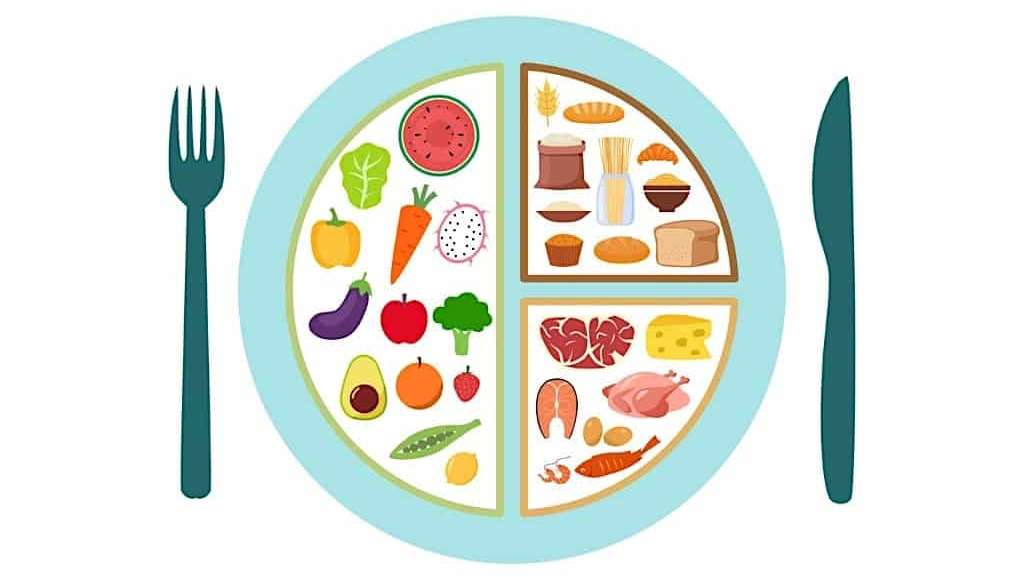
Good news! Protein is hidden in many delicious foods we eat every day. A good rule of thumb is to fill about a quarter of your plate with protein-rich foods at each meal. Vary your sources to enjoy a full range of nutrients.
Animal sources:
- Lean meats (chicken, turkey, beef)
- Fish and seafood
- Eggs
- Dairy products (Greek yogurt, cottage cheese, cheeses)
Plant sources:
- Legumes (beans, peas, lentils)
- Tofu and other soy products
- Nuts and seeds
- Cereals and whole grains (in smaller quantities)
Protein quality is more important than quantity: don't fall into the trap of processed products labeled as high in protein. These protein breads or pastas are often highly processed and can contain more calories, sugar, and salt than you might think. It's better to choose whole foods that are naturally rich in protein.
Spread your protein intake: rather than consuming all your protein in one meal, spread it throughout the day. This promotes better utilization by the body.
Incorporate protein into snacks: Add a source of protein to your snacks to make them more filling. For example, combine fruit with yogurt, or vegetables with hummus.
Protein content of some common foods (per 100g)
- Chicken breast: 31 g
- Chicken thighs: 24 g
- Pork fillet: 29 g
- Lamb chops: 25 g
- Veal escalope: 32 g
- Beef flank steak: 28 g
- Lean ground beef: 26 g
- Salmon: 25 g
- Bluefin tuna: 30 g
- Firm tofu: 15 g
- Cooked lentils: 9 g
- Greek yogurt: 10 g
- Milk 2%: 3 g
- Egg (1 large): 6 g
- Cheddar cheese: 25 g
- Almonds: 21 g
- Cooked black beans: 9 g
You can consult Health Canada's official Nutrition Facts document to learn more about your favourite foods
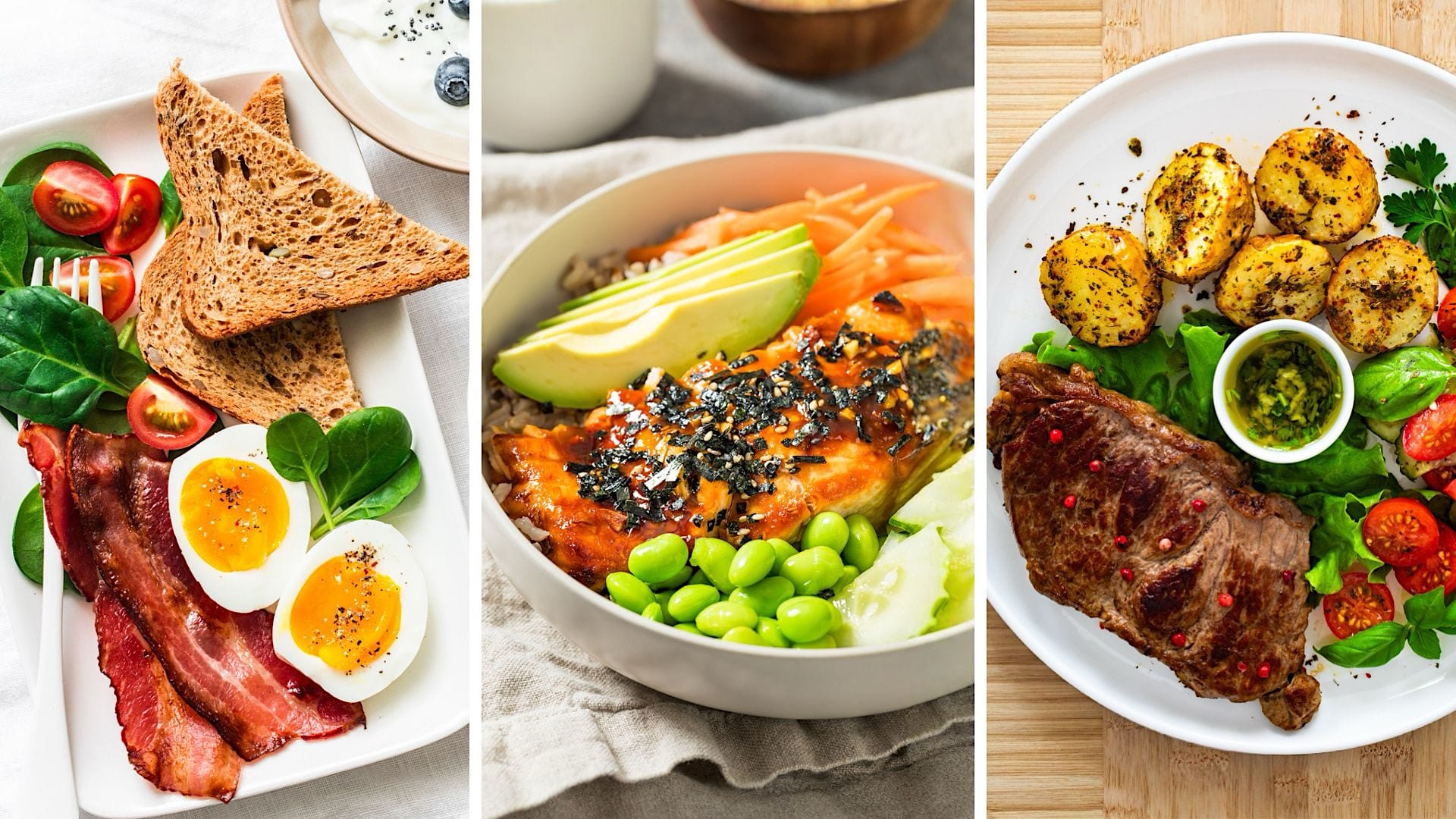
The question "how much protein should you eat?" doesn't have a single answer. Your needs depend on your weight, age, and activity level. The good news? Most of us can easily meet our needs without any particular effort. The important thing is to vary your sources, favor minimally processed foods, and maintain an overall balanced diet.
Instead of worrying about exact grams, simply aim to include a quality protein source at every meal and diversify your diet. Your body will thank you!
For more information and nutritional advice, check out these articles in the "Tips" section of our website:
- Tips for a nutritious and balanced teenage lunch box
- Eating fish is good for your health!
- The benefits of red meat
- Healthy eating: a portrait of vitamin D
- Healthy eating during pregnancy
- The basic rules of a healthy diet for those aged 50 and over
- Good nutrition for a healthy heart
- The Effect of Good Digestive Health on Well-Being
sources:
https://www.bbcgoodfood.com/health/mistakes-you-might-be-making-on-a-protein-boost
https://www.canada.ca/en/health-canada/services/nutrients/protein.html
https://guide-alimentaire.canada.ca/fr/recommandations-en-matiere-dalimentation-saine/prenez-habitude-de-manger-legumes-fruits-grains-entiers-proteines/mangez-aliments-proteines/