 Skip to content



We've compiled a variety of tips, from ergonomics to simple storage tricks, to guide you toward a more functional kitchen. How many hours a day do we spend in the kitchen? We prepare two to three meals a day, we enjoy a drink while chopping vegetables, we chat while doing the dishes after dinner with friends... It's an environment we know by heart, and yet, we benefit from rethinking it to make our lives easier!
The Magic Triangle
A basic principle of kitchen design, the work triangle concept dictates the position of three key areas: the refrigerator, sink, and stove.
These three elements should form a triangle with more or less equal sides, each side being at least 4 feet and at most 9 feet.
Indeed, too great a distance to cover wastes time, while too little space causes collisions and congestion.
All of this is very useful to know when renovating, but how can we optimize the work triangle in our existing kitchen?

In addition to these three stations, it is recommended to consider the position of workspaces, the dishwasher, and trash/compost bins to improve all movements in the kitchen. This way, it is possible to move or create new work surfaces in strategic locations, sometimes simply by moving small appliances to free up space.
By paying attention to our movements in the kitchen, we can identify those that are wasting time: for example, we may benefit from moving the trash or recycling bin so that they are within arm's length of where we need them most. Mobile components such as a small island or a trolley on wheels can be useful when a minor rearrangement is required.
Cabinets that work for us
Having to crouch and stretch to reach items on the lower shelves of a deep cupboard usually makes you sigh... and that's not to mention that you sometimes end up getting up empty-handed, having failed to visually find the can of tomatoes or the jar of pickles that made you get down on your hands and knees!
Simply installing sliding shelves in your pantry cabinet or in the cupboard where you store pots and pans and small appliances allows you to locate what you need at a glance and avoid having to twist and turn to get it.

When this type of installation isn't possible, you can at least make life easier by keeping the bottom of your cabinets as tidy as possible with lightweight, removable dividers available on the market. These can also be used to position certain items, such as cutting boards or cookie sheets, vertically rather than horizontally, and avoid some contortions!

Clear workspaces and accessible tools
It's difficult, especially when kitchen space is limited, to avoid the counter being invaded by dirty dishes, small appliances, etc. However, the task of preparing meals is considerably faster (and more enjoyable!) when you don't have to start by freeing up space to work and you have quick access to your work tools.
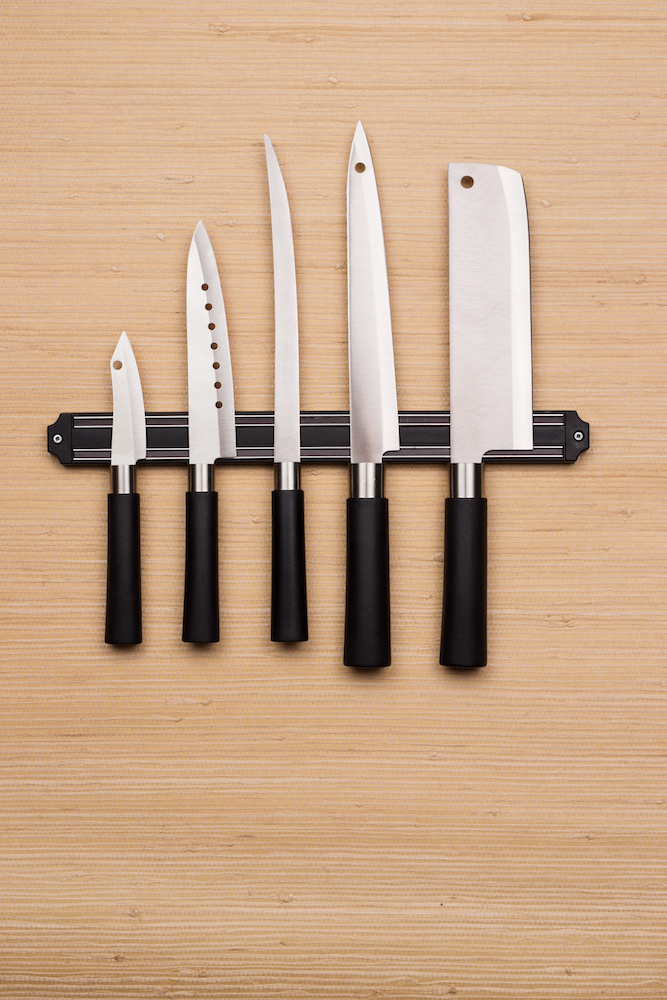
Wall-mounted storage solutions (shelves, small racks, etc.) are useful for keeping the items you need within reach without cluttering the countertop; the same goes for cooking utensil holders and magnetic knife bars. Small magnetic boxes placed on the fridge can be a great way to keep frequently used seasonings on hand.
To gain even more storage space, why not install a rack, which, in addition to using vertical space, allows you to keep the most frequently used pans and utensils clearly visible and within reach?
Smart storage
Reorganizing your pantry and cabinets isn't anyone's favorite pastime, but the rewards can be well worth it in terms of time and energy savings. Here are some ideas to guide your efforts:
– Save your back by storing heavier items at a height corresponding to your torso, imagining your hip height as the lower limit and your shoulders as the upper limit.
– Maximize space utilization with baskets to vertically store bagged foods (soups, sauces, etc.) and all sorts of small items. The inside of doors is also an underutilized surface; many storage solutions on the market are installed there.
– Quickly identify what you're looking for: Glass jars allow you to identify food at a glance and quickly assess the remaining quantity when it comes time to plan meals. If you use opaque containers, at least equip them with clear and legible labels to make your life easier.
– Give pride of place in your cupboards and drawers to the items you use most frequently in your daily life. Depending on your habits, the pasta machine and tomato mill may not need to be as accessible as the kettle and food processor!