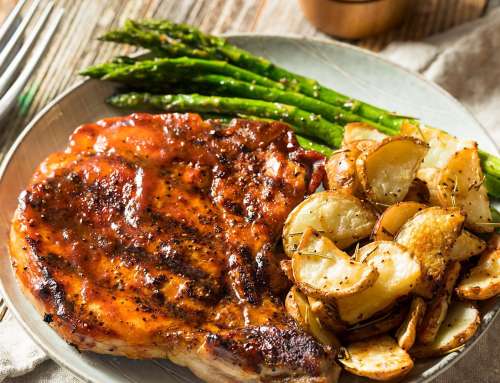
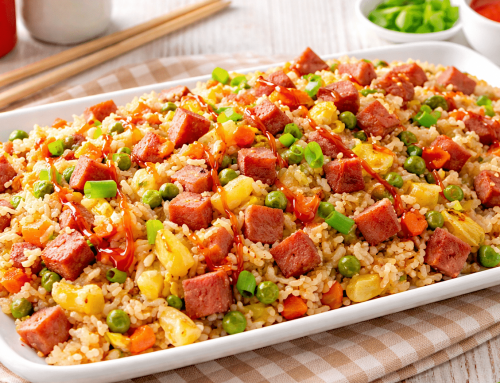
 Skip to content



When preparing a BBQ, avoiding common mistakes is the key to safe and delicious grilling. Mistakes in handling, poor BBQ preparation, or poor cooking organization can have disastrous consequences on what ends up on your plate. This article guides you through the most common mistakes and offers practical tips for overcoming them, so you can fully enjoy your outdoor meals.
Mistakes harmful to food safety
Mistake #1: Handling raw meats
Raw meat must be handled safely to avoid food poisoning. Pathogens present on meat (Salmonella, E. coli, Campylobacter, Listeria) can contaminate your other ingredients. For example, cooked meat can be contaminated if the dish used to transport raw meat is reused for grilling. It is essential to:
- Use separate cutting boards for raw meat and other foods, especially foods eaten raw.
- Wash hands and equipment thoroughly after handling raw meat.
- Use a clean dish for cooked meat.
- Use separate utensils for handling raw and cooked meat.
Mistake #2: Taking meat out of the refrigerator too early
It is often recommended to let meat cool before cooking. This applies to BBQ cooking, however, taking meat out of the refrigerator too early and letting it cool outside increases the risk of bacterial contamination. It is best to:
- Remove the meat from the refrigerator about 30 minutes before cooking and let it cool in a cooler place, indoors.
Mistake #3 Causing the formation of toxic chemical compounds
Certain handling procedures can increase the formation of harmful chemical compounds. Gray or black smoke should never be emitted from the BBQ when food is cooking. In addition, flames should be kept to a minimum to avoid charring the meat, as this can produce carcinogenic substances.
- Be patient: do not start cooking with charcoal until the flame lighter is completely consumed.
- Remove most of the visible fat from the meat to avoid harmful flare-ups.
- Avoid direct contact of the meat with the flames by correctly adjusting the height of the cooking grid.
- Use refined charcoal (over 85% carbon), and move the coals under the grill if the flare-ups are too intense.
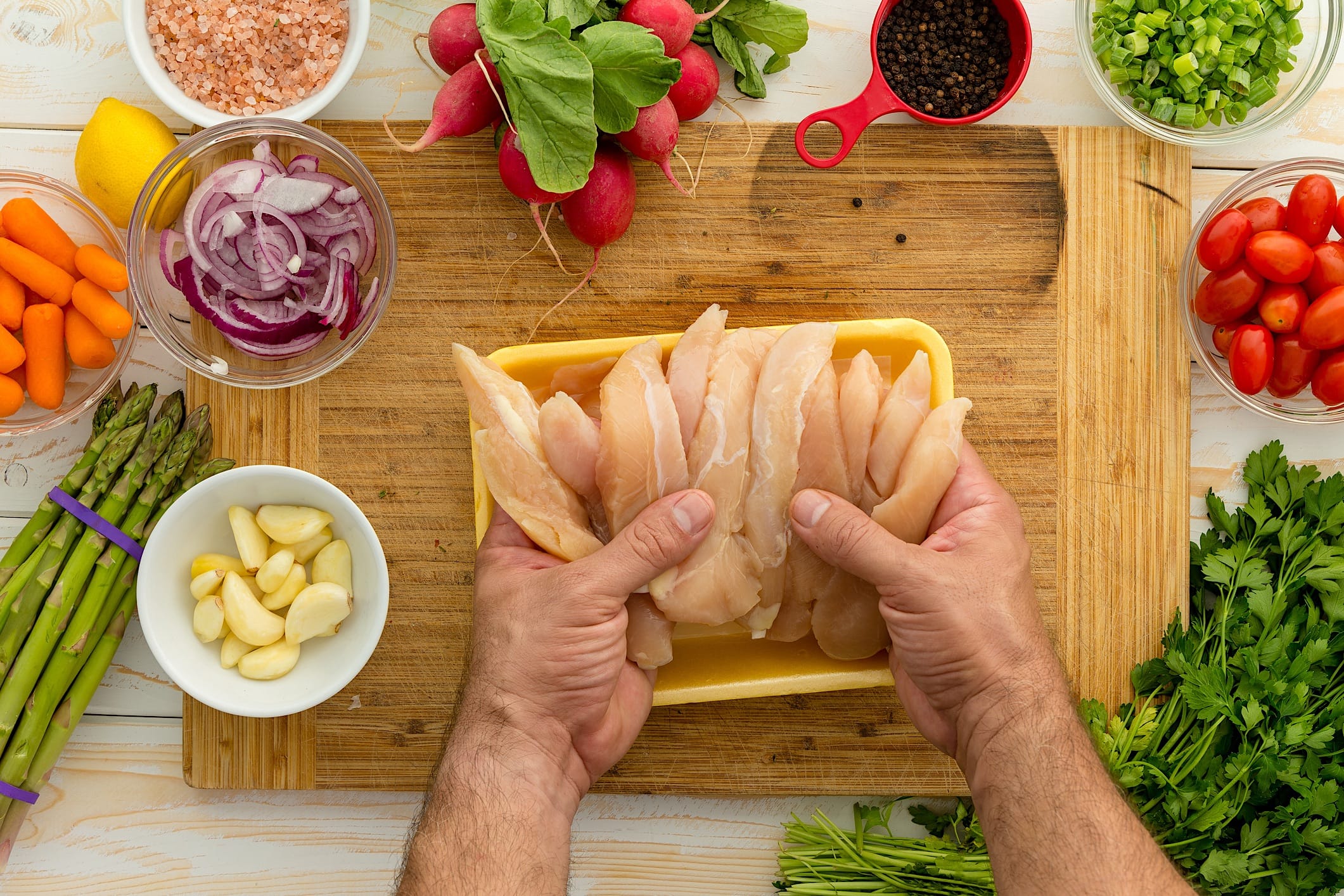
Preparing the BBQ
Mistake #4: Neglecting general barbecue safety
Failure to take the necessary safety precautions can lead to accidents. Prevention is better than cure! Make sure you:
- Keep children away from the BBQ and always supervise them if they want to cook with you.
- Wear clothing and shoes that protect you from splashes.
- Check the stability of the barbecue and block the wheels.
- Maintain a minimum distance of 1 meter from any combustible object or material (doors, walls, trees, etc.).
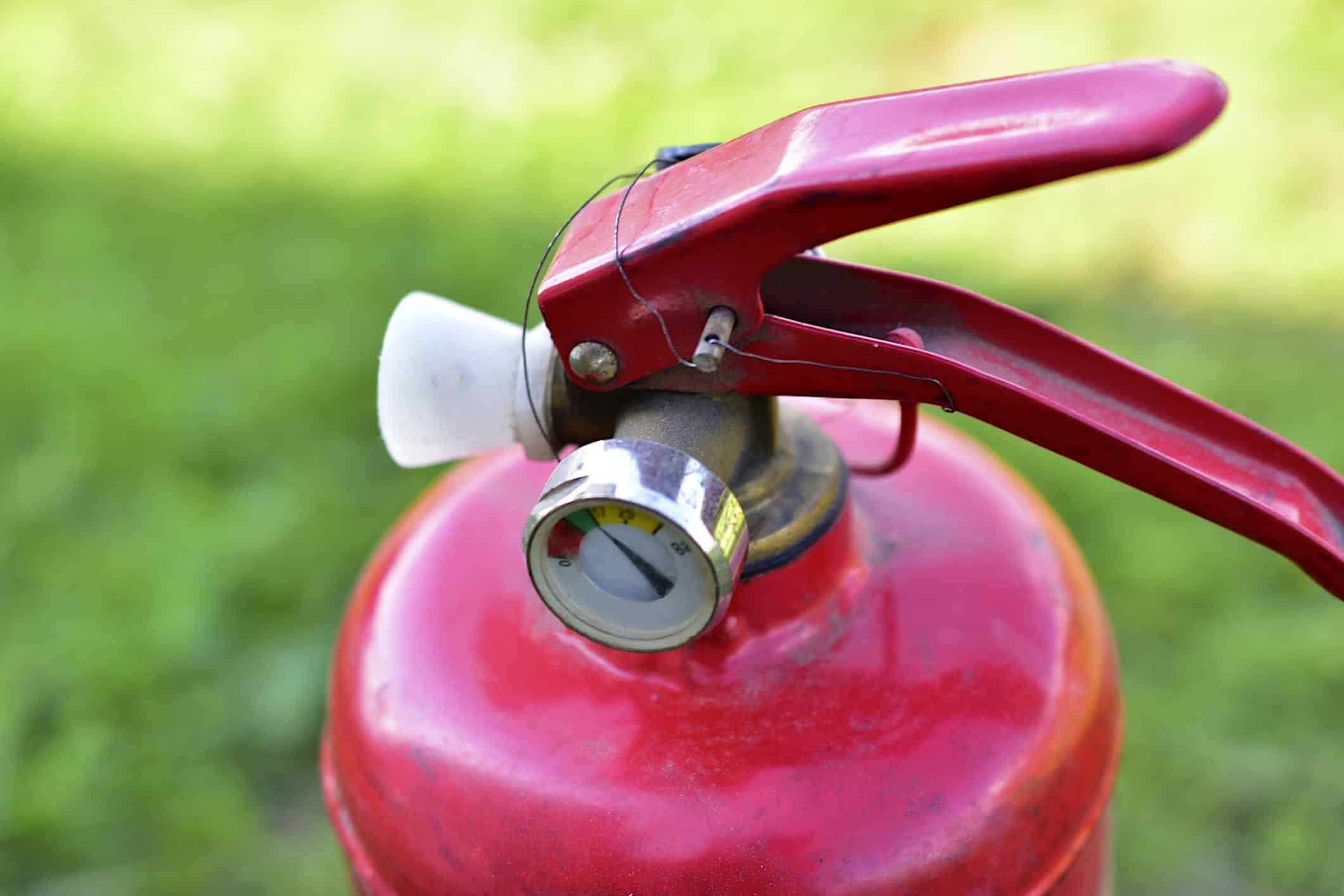
- Keep a fire extinguisher handy.
- Do not use flammable products to light the fire, nor leave any lying around your BBQ (lighters, flame lighters, bottles and glasses of alcohol, etc.).
Mistake #5 Not maintaining the barbecue
Regular maintenance of your grill and barbecue is crucial to ensure optimal cooking and extend the life of your equipment. Porcelain or cast iron grills can rust and deteriorate over time if not properly maintained. Furthermore, dirty grills can leave burnt residue on food, altering its taste and posing health risks.
- Clean the grills before and after each use with a safety brush, and don't forget to wash the accessories and the grease collection tray.
- Use a brush rather than a scraper to avoid damaging the protective finish of the grilles.
- Regularly coat the grates with a light layer of vegetable oil to prevent rust, especially for porcelain or cast iron grates (this is less necessary for stainless steel grates.)
Mistake #6 Not preheating the BBQ
Not preheating the grill before starting to cook is a common mistake that can affect the quality of your grilling. Placing food on a cold grill prevents you from achieving the smoky flavor and characteristic grill marks. Cooking may be slower and uneven, and the meat may stick to the grill grates and tear, making cleaning the BBQ more difficult. It's better to:
- Light your gas grill at least 10 to 15 minutes before you start cooking. For charcoal grills, wait until the briquettes are glowing red and covered with a thin layer of ash.
- Check the temperature of the BBQ with a thermometer or by holding your hand above the grill.
- Brush and lightly oil heated grills before placing food on them.
Food preparation
Mistake #7 Neglecting food quality
The success of a barbecue depends largely on the quality of the food you choose. For a steak, for example, it's best to choose a cut with good fat marbling to ensure a tender and juicy grill. However, a thick layer of external fat will cause the flames to flare up.
By demanding the meats of l’épicier perfectly degreased and our quality fish and seafood, there is already a huge step forward!
Mistake #8: Not marinating meats
Marinating certain types of meat improves their tenderness and flavor (think tougher cuts like flank steak or a beef scoter steak). To allow the flavors to fully infuse:
- marinez seafood and vegetables for at least 1 hour.
- Marinate the pork and poultry for at least 2 hours.
- Marinate red meats for at least 2 to 3 hours.
Check out our complete BBQ tips guide to get inspired with our marinade ideas.
Cooking techniques
Mistake #9: Poor temperature management
Cooking at too high a temperature can burn the outside of food while leaving the inside raw or undercooked.
- Create two cooking zones in your BBQ: a direct heat zone for searing food and an indirect heat zone for finishing cooking more gently.
- Use an instant-read thermometer to check the internal cooking of your meats and fish.
To become a BBQ cooking master, check out our article on the 3 main BBQ cooking methods and our guide to cooking fish and seafood on the BBQ.
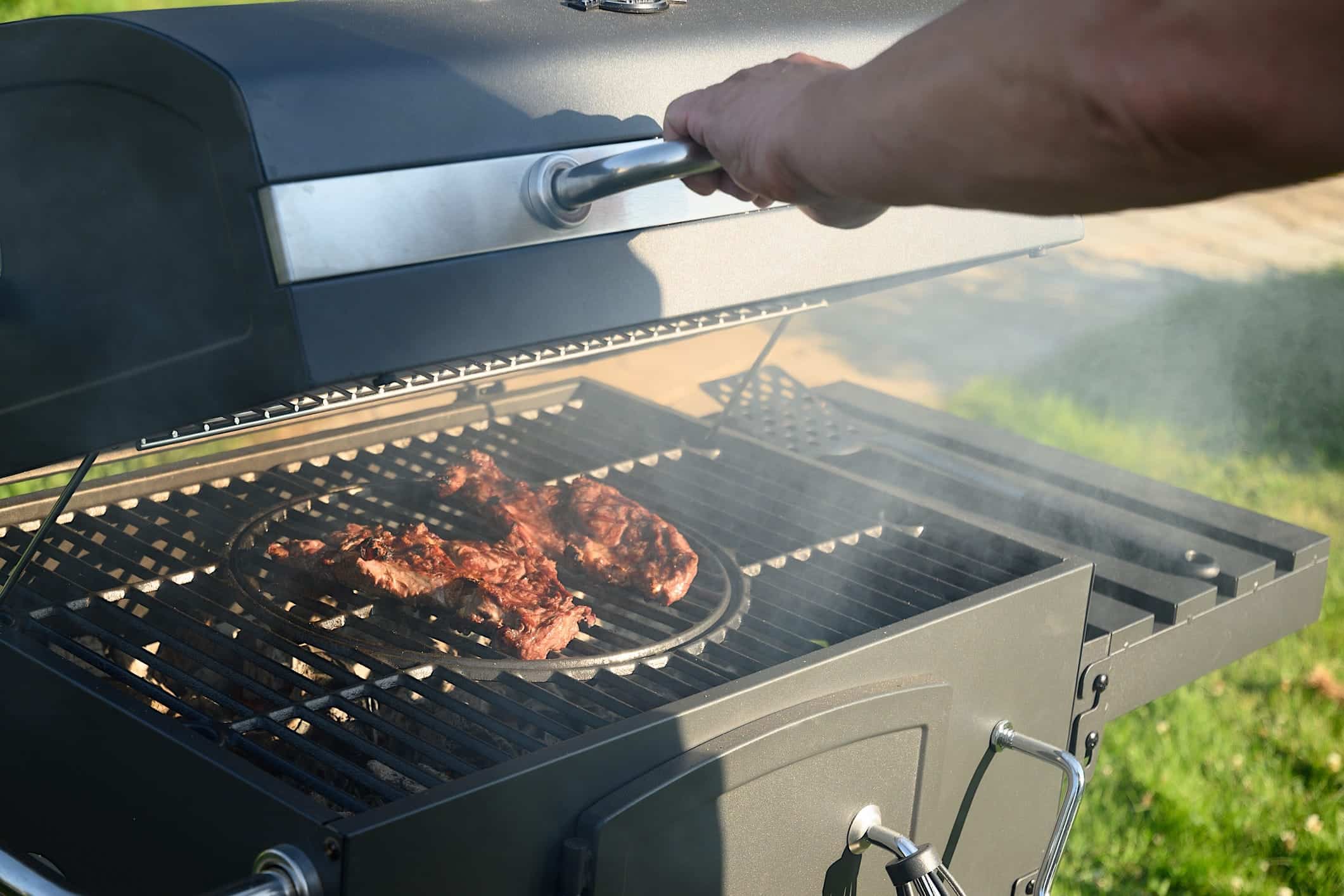
Mistake #10: Cooking with the lid open
Cooking with the lid open is a mistake that affects the quality of your grilling. Heat escapes, resulting in uneven and longer cooking times, which can dry out your food. Additionally, the closed lid allows smoke to infuse the food, giving it a delicious grilled flavor. Remember to:
- Keep the lid closed, and avoid opening it too often to maintain a constant temperature and cook food evenly.
- Use a thermometer to check the internal temperature of the BBQ.
- Set a timer to avoid handling food before the cooking time is up.
Mistake #11: Overhandling the meat
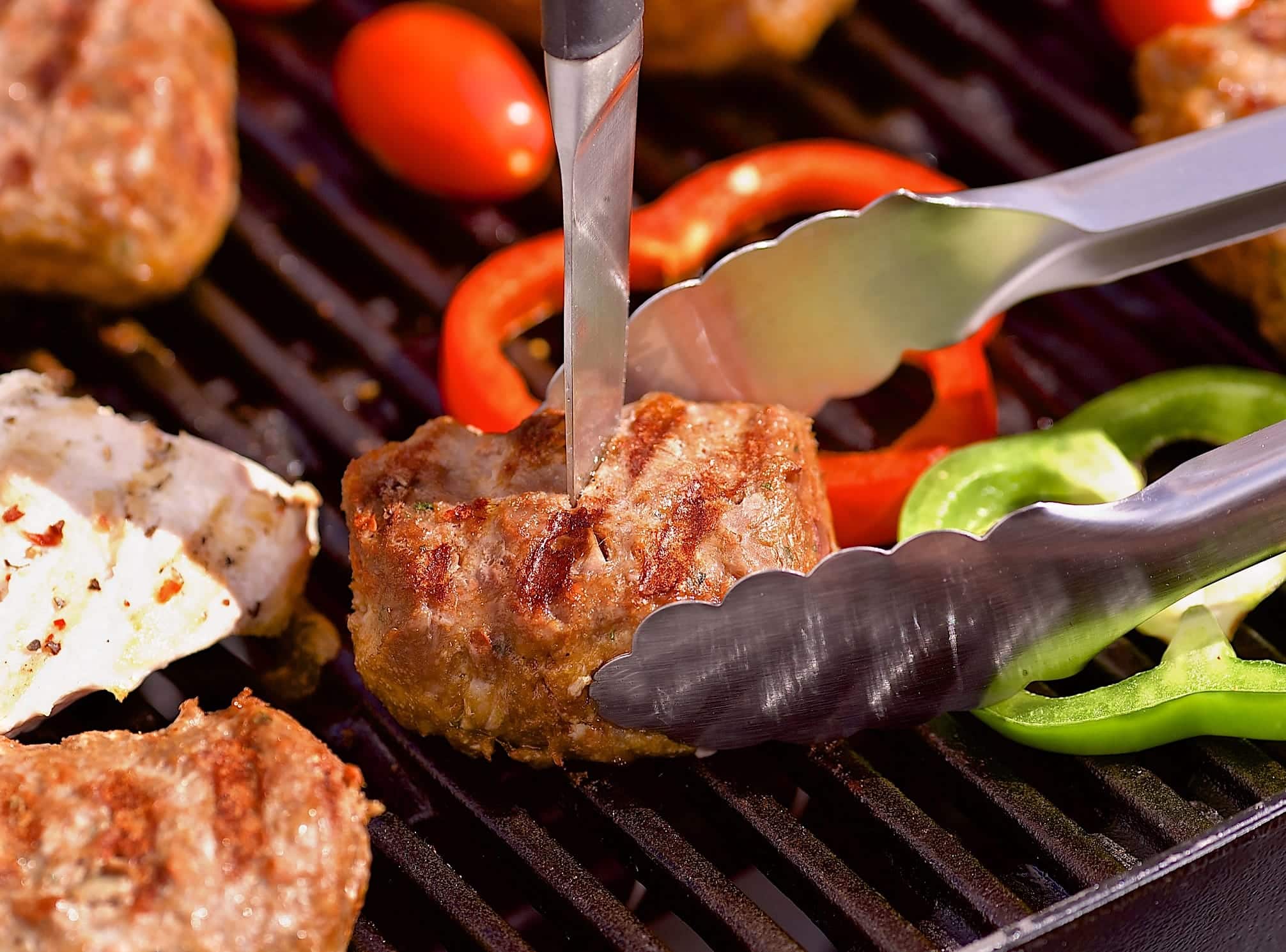
Overhandling your grilled food is a common mistake to avoid. Pressing, poking, or turning the meat too frequently will result in uneven cooking, juices will leak out, and it will be harder to form a beautiful caramelized crust. Forget about those mouthwatering grill marks!
- Turn the meat only once or twice during cooking. If the meat sticks to the grill, it's not ready to be turned!
- Avoid crushing burgers or steaks with a spatula.
- Avoid piercing the meat at all costs, as the juices may run out, leaving your grilled food dry.
Mistake #12: Cooking everything the same way, at the same time
Improper cooking alters the texture and flavor of food. Meat, fish and seafood, vegetables, and fruits have varying cooking times and temperatures, and some require direct cooking, others indirect cooking. You can:
- Prepare or pre-cook certain foods in the kitchen and finish them on the BBQ.
- Adapt your techniques by using direct cooking for quick foods and indirect cooking for foods that require more time.
- Use cooking accessories such as baskets, fine mesh grills, a stone or a griddle adapted to the type of food to be cooked and the space available on the BBQ.
- Keep your food warm in an oven heated to 145 to 160°F (63 to 70°C). Place a container of boiling water in the bottom of the oven to keep your grilled food moist.
Mistake #13: Not letting meat rest after cooking
Resting meat after cooking is essential to allow even distribution of residual heat, which completes the cooking process and ensures a more uniform texture. During this resting period, muscle fibers relax and juices, concentrated in the center during cooking, redistribute throughout the meat. This process improves tenderness, retains cooking juices, and maximizes flavor, providing a superior eating experience.
Read this article to learn more about this topic: Why should meat rest after cooking?
By avoiding these common mistakes and applying these practical tips, you can significantly improve the quality and safety of your barbecues. Preparation, temperature management, and attention to detail are essential for successful grilling. Practice and experiment with these techniques to become a BBQ master and fully enjoy your time outdoors with your loved ones!
Happy BBQ!
sources:
https://www.marmiton.org/none/barbecue-l-erreur-a-ne-pas-faire-pour-eviter-les-intoxications-s4066645.html
https://www.protegez-vous.ca/nouvelles/maison-et-environnement/barbecue-10-erreurs-communes-a-eviter
https://www.huffingtonpost.fr/life/article/le-barbecue-est-plein-de-pieges-voici-les-erreurs-a-ne-pas-faire_206519.html
https://www.weber.com/FR/fr/blog/grilling-inspiration/les-erreurs-%C3%A0-ne-pas-faire-au-barbecue/weber-2064296.html
https://www.seriouseats.com/grilling-mistakes-and-how-to-avoid-them
https://www.forbes.com/sites/nomanazish/2022/07/28/10-bbq-mistakes-youre-probably-making-and-how-to-avoid-them/?sh=23feea086204
https://www.bonappetit.com/story/common-grilling-mistakes